 +91 74280 97301


For generations, the corporate compensation playbook relied on a comfortable fiction: that an employee’s life outside the professional sphere operated in neat, frictionless isolation from their workday. Human resource budgets were funneled into predictable containers—standard health insurance packages, gym memberships, annual wellness checks, and performance bonuses. Yet, this myopic design completely missed the deep, structural fault lines eroding modern enterprise productivity from within. Today, executive leaders, senior engineers, and strategic directors across high-growth markets are carrying a compounding, multi-directional weight that no traditional insurance policy can solve. They are attempting to scale career peaks while quietly navigating the intricate, unpredictable, and emotionally demanding landscape of aging parents.
When an elderly parent experiences a sudden cardiovascular event, slips into the quiet, disorienting fog of degenerative cognitive decline, or struggles with the everyday vulnerability of failing physical mobility, the shockwave does not stay confined to the domestic sphere. It permeates the professional day. An employee frantically coordinating home nursing care or reviewing complex medical billing statements between high-stakes client pitches experiences severe cognitive fragmentation. Creative problem-solving stalls, strategic decision-making becomes purely reactive, and error rates climb on critical deliverables.
Progressive CHROs and enterprise founders now recognize that standard, individual-centric health insurance is fundamentally incomplete. By integrating comprehensive employee benefits elder care solutions into their organizational architecture, forward-thinking companies bridge the dangerous gap between home-front realities and corporate output, unlocking profound gains in workforce resilience and talent stability.
Unmasking the Structural Limitations of Traditional Health Coverage
To understand why senior care support has evolved from a niche welfare initiative into an essential pillar of business continuity, executive leadership must examine the blind spots of conventional corporate insurance. Standard group medical policies are inherently reactive and reductionist. They are designed to cover hospitalization, emergency surgeries, and pharmaceutical costs for the insured individual. However, they completely ignore the continuum of daily care required when an aging family member’s health begins to unravel.
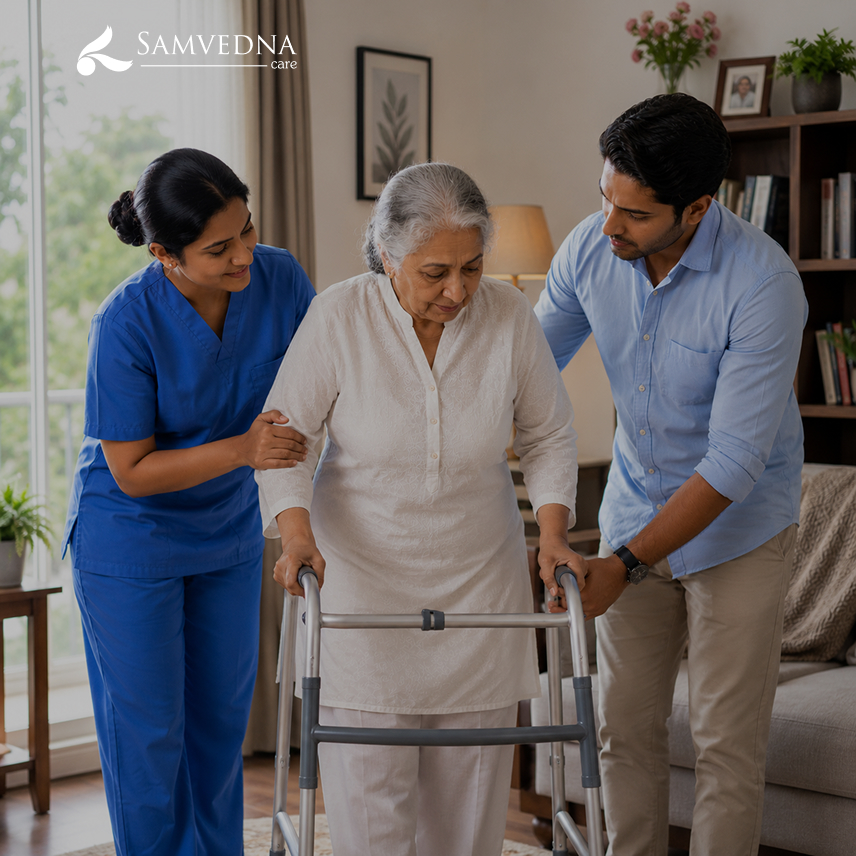
Consider the reality of chronic geriatric conditions—such as advanced Parkinson’s disease, dementia, or post-stroke recovery. These conditions do not require an immediate hospital admission; instead, they demand continuous, meticulous daily management: administering precise medication schedules, arranging specialized physiotherapy, managing dietary needs, and ensuring physical safety at home.
When an employee has to shoulder this administrative and logistical burden alone, corporate health insurance offers zero practical relief. The worker becomes an unpaid, exhausted home-care coordinator, juggling professional deadlines by day and medical crises by night. This friction manifests across enterprise metrics as silent presenteeism, declining creative output, and sudden, unexpected burnout cascades that destabilize entire project teams.
Architecting a Seamless Care Infrastructure With Samvedna Care
Pioneering enterprises are moving far beyond superficial financial stipends, implementing robust, clinical-grade ecosystems that provide tangible, expert-led relief to working families. Through specialized corporate partnerships, organizations can deploy multi-disciplinary senior care frameworks that fundamentally transform how employees experience organizational support:
- Dedicated Professional Care Navigation: Expecting an executive or project manager to become an overnight expert in geriatric medicine, medical billing, and assisted living administration while maintaining a full workload is a recipe for burnout. Advanced benefits embed professional care managers who assess domestic needs, streamline medical records, and guide families through complex healthcare navigation.
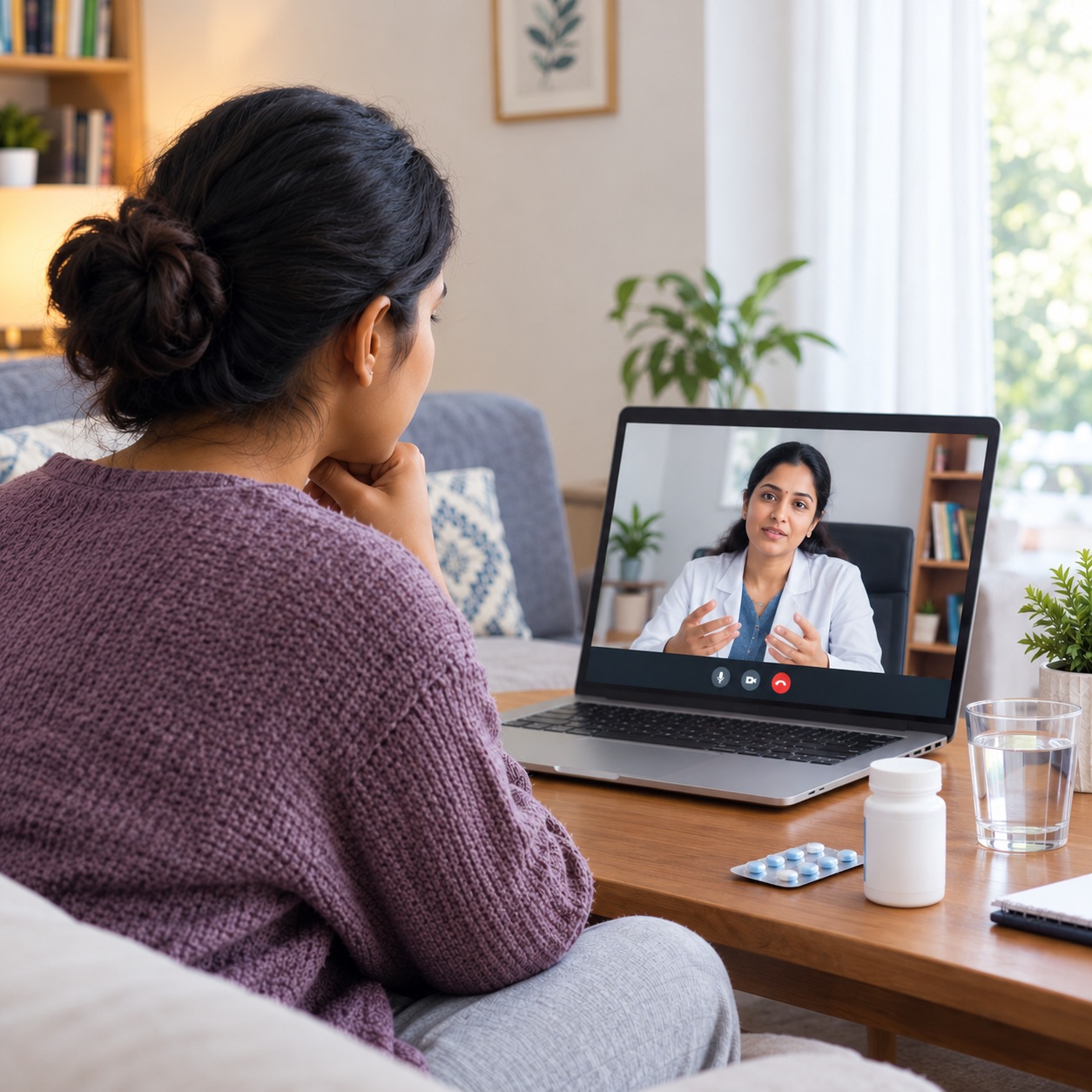
- Trusted Clinical Home Care Integration: Routine medical requirements—such as regular physiotherapy sessions, diagnostic blood work, or doctor home visits—traditionally require employees to take erratic, disruptive mid-day leaves. By integrating verified in-home nursing and clinical support into the corporate wellness architecture, organizations provide the peace of mind that parents are professionally attended to without requiring constant emergency intervention from the worker.
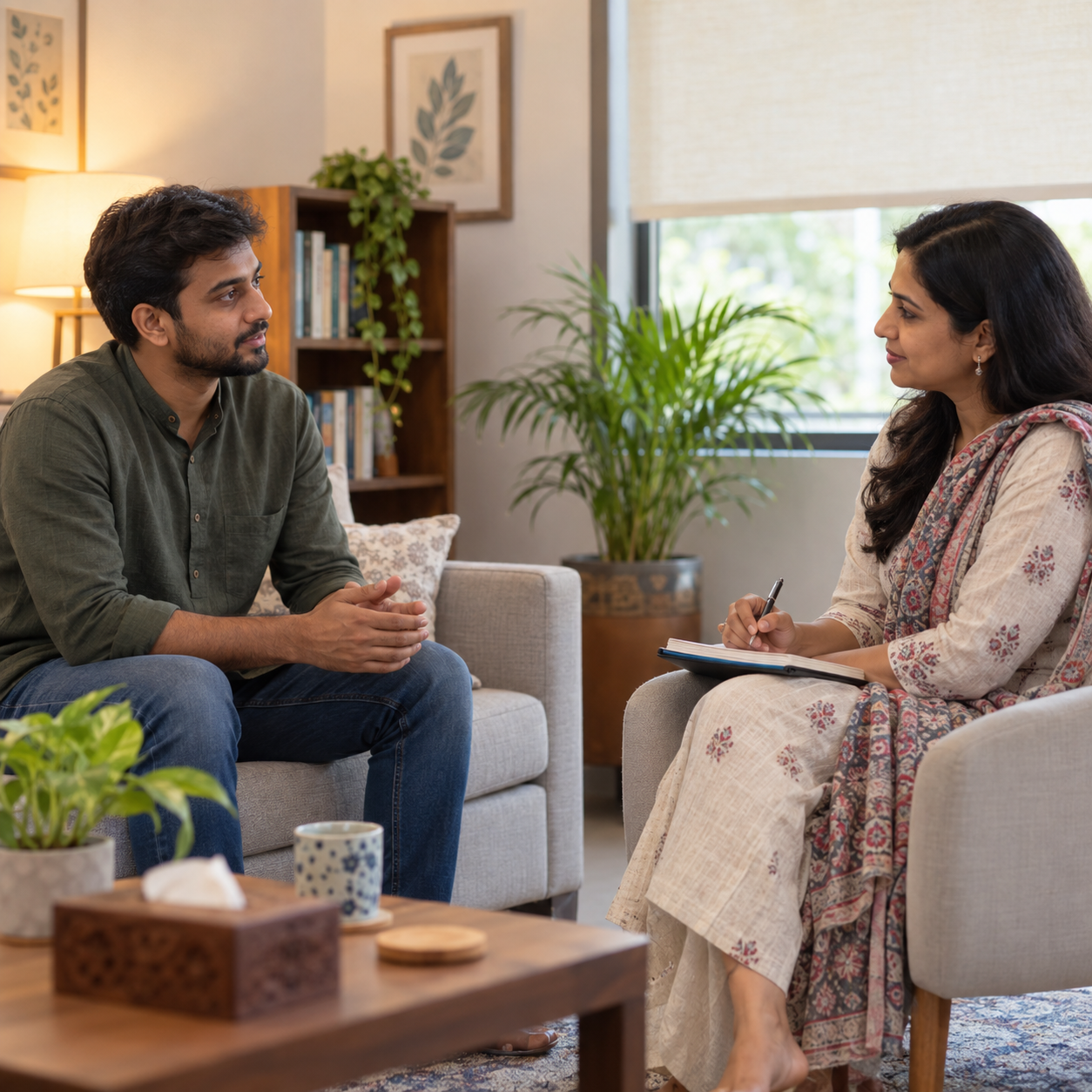
- Holistic Psychological Support for Caregivers: Navigating the chronic illness or cognitive decline of a parent brings profound anticipatory grief and emotional fatigue. Comprehensive wellness programs pair logistical guidance with licensed clinical counseling, offering a confidential, judgment-free space for employees to process caregiver burnout and emotional strain.
When enterprises partner with specialized clinical networks like Samvedna Care, they inject expert infrastructure directly into the homes of their workforce, lifting the invisible weight of caregiving off the shoulders of their most valuable people.
Translating Empathy Into Measurable Financial and Cultural ROI
When executive leadership integrates comprehensive senior care support into their broader Employee Assistance Program (EAP) architecture, the resulting return on investment manifests clearly across enterprise metrics:
- Restored Cognitive Focus and Executive Output: When the chaos of daily care coordination is managed by certified professionals, the constant mental tug-of-war dissolves. Employees re-engage fully with their professional responsibilities, resulting in sharper decision-making, accelerated project delivery, and heightened creative output.
- Cultivating Fierce Organizational Loyalty: Professionals rarely forget an employer that stands by them during life’s most vulnerable personal transitions. Providing practical, family-centric care builds an exceptional tier of trust and psychological safety, dramatically lowering voluntary turnover rates across critical teams.
- Mitigating Burnout Cascades: Proactive care intervention stops minor domestic stressors from compounding into clinical depression, chronic fatigue, or widespread departmental burnout.
Charting the Path Toward Resilient Enterprise Leadership
Sustained organizational productivity is inextricably tethered to holistic human well-being, and true well-being must account for the multi-generational realities of modern lives. Enterprises that embrace comprehensive care benefits transform themselves from high-pressure corporate machines into empathetic, resilient communities.
By lifting the invisible weight of caregiving off the shoulders of your workforce, you protect your most valuable human capital and build a culture capable of enduring, long-term excellence.