+91 74280 97301



Growing up, many boys and men encounter an unspoken rulebook about what it means to be a man. They are often expected to be strong, dependable providers who can handle responsibilities without showing vulnerability. Phrases like “boys don’t cry,” “be strong,” and “toughen up” may seem harmless, but over time, they can shape how men understand and express their emotions.
As a result, many men learn to wear emotional armour. They begin to believe that being strong means feeling nothing, or at least never letting others see their pain. When work becomes overwhelming, they work longer hours. When life gets complicated, they push harder and try to manage everything on their own. Asking for help can feel less like an option and more like an admission of weakness.
At Samvedna Care, we recognise how deeply societal expectations can influence men’s emotional wellbeing. These beliefs can make it difficult for men to acknowledge vulnerability, express what they are going through, or seek emotional support when they need it.
The Hidden Cost of Emotional Suppression
The problem with emotional armour is that while it may appear to protect a person from the outside world, it can leave them feeling trapped within themselves. Over time, the pressure to always appear strong and capable can take a significant toll on mental health.
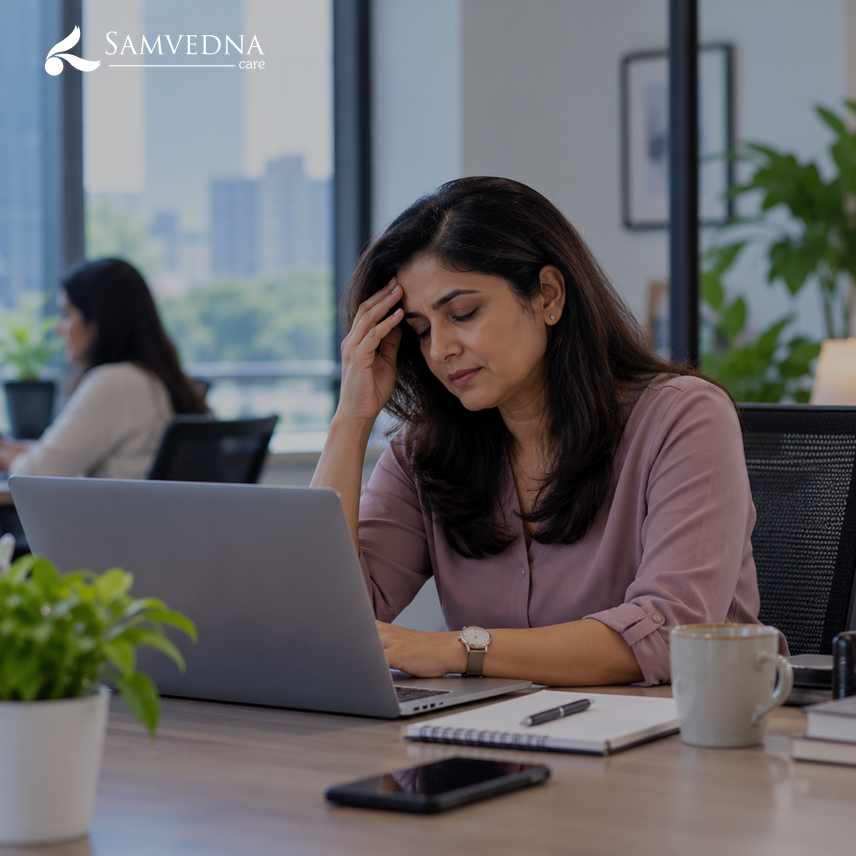
Some men may begin to associate their entire sense of self-worth with their job, income, professional achievements, or ability to manage responsibilities. When things go well at work, they feel confident and in control. But when something goes wrong a missed target, a family problem, or severe burnout their entire sense of self can begin to crumble.
They don’t just feel like they made a mistake; they feel like they are the mistake.
When self-worth becomes closely tied to external measures of success, setbacks can feel deeply personal. Men may struggle in silence, believing that everyone else has life figured out and that admitting emotional pain somehow makes them less of a man.
This pressure can affect more than mental health. It can influence relationships, communication, decision-making, and the ability to cope with everyday challenges. The effort required to keep up appearances can become exhausting, leaving little room to acknowledge what is really happening beneath the surface.
Seeking Support: Making Men’s Mental Health a Priority
Breaking this cycle does not happen overnight. Often, change begins when the emotional armour becomes too heavy to carry and a person starts recognising the cost of keeping everything inside.
For many men, seeking help can feel daunting, particularly if they have grown up believing they must rely only on themselves. They may worry about being judged, misunderstood, or perceived as incapable. These concerns can delay conversations about mental health, even when emotional distress begins affecting daily life.
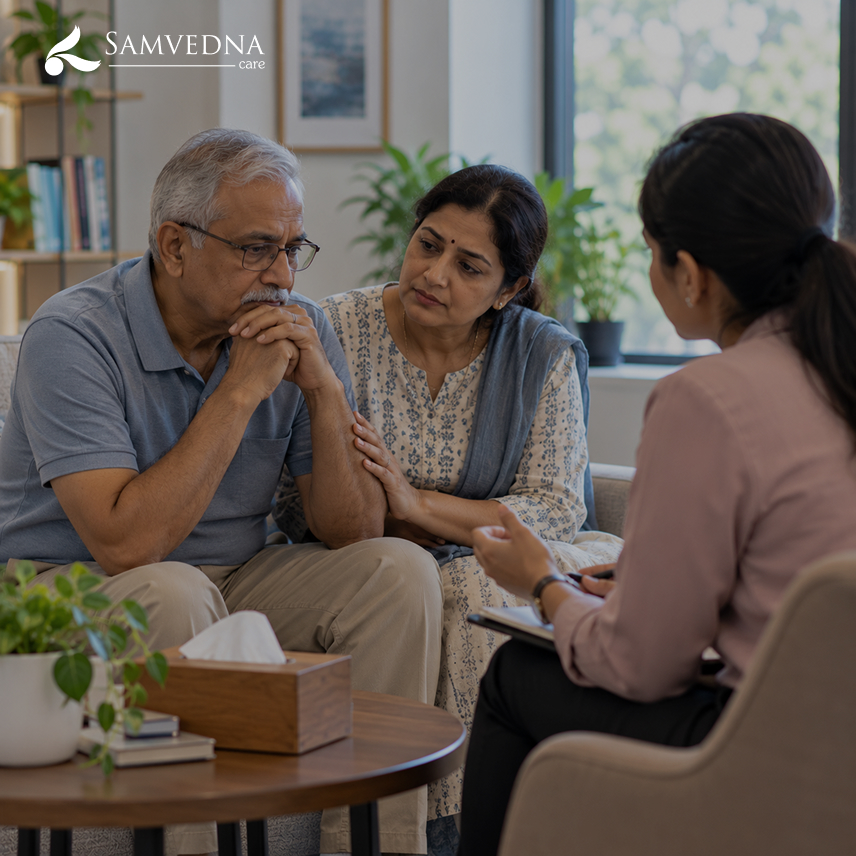
Online mental health counselling can offer a more accessible starting point for those who find it difficult to seek support in person. Speaking with a professional from the comfort of home may help reduce the practical and emotional barriers associated with taking that first step.
For those looking for a mental health therapist in Delhi, finding someone who understands their circumstances, cultural context, workplace pressures, and family expectations can make the experience of seeking support feel more comfortable and relevant.
A supportive therapeutic space offers an opportunity to speak openly, understand difficult emotions, and explore healthier ways of responding to stress. Seeking help does not mean that someone has failed to cope. It means recognising that they do not have to navigate every challenge alone.
Redefining Strength: It’s Okay to Ask for Help
As conversations around men’s mental health become more open, it is important to reconsider what strength really means.
Strength does not have to mean being unaffected by difficulties or managing every challenge alone. It can also mean recognising when you need support, acknowledging difficult emotions, and being willing to ask for help.
Being vulnerable does not diminish a person’s ability to lead, provide, protect, or take responsibility. In fact, understanding and expressing emotions can strengthen relationships, improve communication, and support healthier decision-making.
At Samvedna Care, we believe that conversations about mental health should be approachable, respectful, and free from judgement. Through online mental health counselling, we aim to make emotional support more accessible, helping individuals find a safe space to express themselves and work through their concerns.
If you have been carrying more than you have been able to express, remember that your worth is not determined by how much you can endure in silence. You do not have to wait until you reach a breaking point to ask for help.
Sometimes, the greatest strength lies not in keeping the armour on, but in recognising when it is time to take it off.