 +91 74280 97301



Modern workplaces operate at a relentless pace. While organizational growth and productivity remain primary business goals, the human engine driving these outcomes—the employees—frequently face intense personal and professional pressures. From navigating the complexities of remote work and financial anxiety to managing eldercare responsibilities, modern life presents continuous hurdles. When personal challenges spill over into the professional sphere, performance, engagement, and retention inevitably suffer.
Forward-thinking organizations recognize that supporting workforce wellbeing requires more than occasional team-building exercises or generic wellness apps. It demands comprehensive, confidential, and professional intervention structures. This is where an employee assistance program becomes an indispensable strategic asset for any progressive enterprise.
Defining an Employee Assistance Program (EAP)
An employee assistance program is a work-based intervention program designed to assist employees in resolving personal, emotional, financial, or legal issues that may adversely affect their job performance, mental health, and overall well-being. Historically rooted in occupational alcoholism and substance abuse programs of the mid-20th century, contemporary EAPs have evolved into holistic mental health and lifestyle management systems.
Crucially, a professional employee assistance program operates on strict principles of confidentiality and accessibility. It provides employees and their immediate household family members with short-term counseling, assessment, and referral services without fear of workplace stigma or administrative repercussions.
The Core Services Offered by a Comprehensive EAP
A high-performing employee assistance program goes far beyond basic crisis counseling. It offers a multifaceted suite of services tailored to address the dynamic challenges faced by today’s diverse workforce:
- Confidential Mental Health Counseling: Short-term, solution-focused therapy sessions delivered by licensed clinical psychologists or professional counselors, addressing anxiety, depression, grief, and workplace stress.
- Elder Care and Dependent Support Guidance: Specialized advisory services helping employees navigate the complexities of senior care, assisted living options, and care management for aging parents—a massive stressor for the “sandwich generation.”
- Financial and Legal Consultations: Professional guidance from certified financial planners and legal experts to help employees handle debt management, family law, estate planning, and tax concerns.
- Manager Consultations and Crisis Intervention: Specialized support for supervisors and HR leaders on how to handle distressed employees, navigate sensitive terminations, or manage workplace crises and trauma.
- Work-Life Balance Resources: Digital wellness portals, stress-reduction toolkits, and educational webinars covering sleep hygiene, nutrition, and emotional regulation.
How an EAP Works: The Operational Workflow
Understanding the mechanics of an employee assistance program helps demystify the process for HR leaders and employees alike, encouraging higher utilization rates and trust.
1. Program Customization and Implementation
An organization partners with an specialized EAP provider (such as Samvedna Care) to design a program aligned with company culture, workforce demographics, and specific organizational goals. Communication channels are established to ensure every team member understands how to access services.
2. Confidential Access and Intake
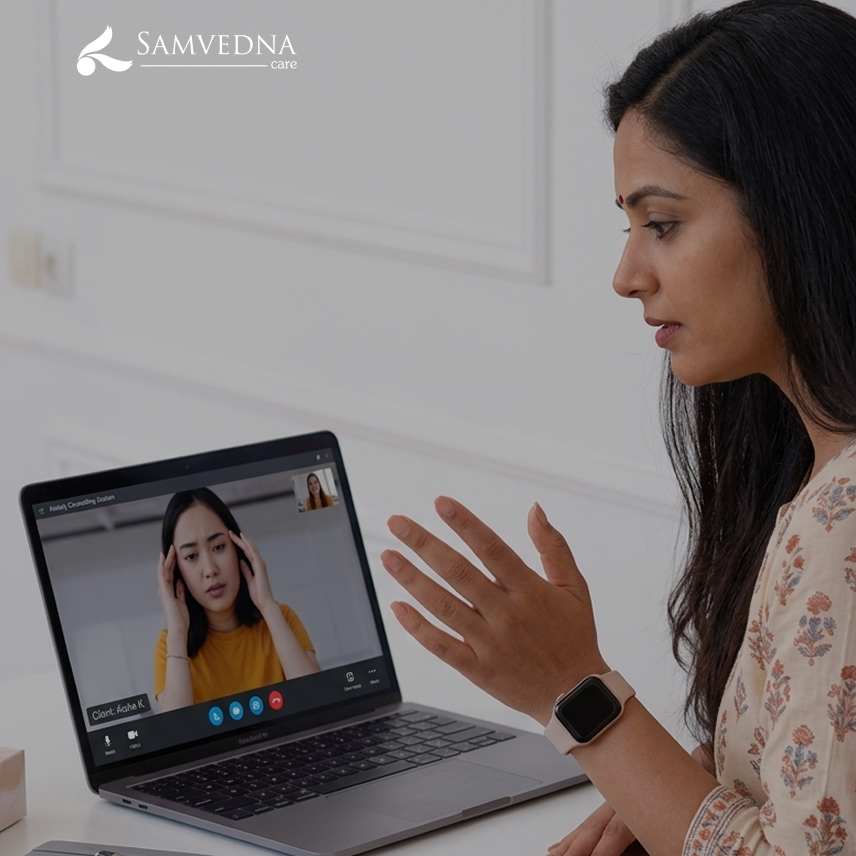
When an employee faces personal or professional distress, they can reach out to the EAP provider independently via dedicated helplines, secure apps, or web portals. The employer is never informed of who accesses the service, safeguarding total confidentiality.
3. Assessment and Short-Term Intervention
A professional care coordinator or clinician conducts an initial assessment to understand the root cause of the issue. For acute or short-term challenges (such as situational anxiety or relationship friction), a structured series of counseling sessions is initiated immediately.
4. Specialized Referral and Long-Term Care
If an employee requires specialized, long-term psychiatric care, advanced legal representation, or specialized medical interventions, the EAP provider seamlessly transitions them to appropriate external or specialized networks.
Strategic Benefits for Organizations and Employees
Implementing an effective employee assistance program yields a powerful return on investment (ROI) by transforming workplace culture and protecting individual health.
For the Employee:
- Stigma-Free Support: Access to professional mental healthcare without fear of judgment from colleagues or management.
- Resilience Building: Practical coping mechanisms to manage stress, avoid burnout, and improve work-life harmony.
- Holistic Family Care: Extension of benefits to family members, ensuring household stability during medical or emotional crises.
For the Employer:
- Reduced Absenteeism and Presenteeism: Employees dealing with unresolved personal issues often show up to work physically but mentally checked out (presenteeism). EAPs restore focus and engagement.
- Lower Turnover and Higher Retention: Employees who feel genuinely supported by their employers demonstrate fierce loyalty and reduced burnout rates.
- Enhanced Employer Branding: Offering a robust mental health framework positions the organization as an empathetic, modern employer of choice in competitive talent markets.
Elevating Workplace Wellbeing
Employee wellbeing is not a peripheral HR metric; it is the fundamental bedrock of sustainable business success. By integrating a professional employee assistance program, organizations can bridge the gap between operational demands and human empathy.
To explore customized corporate wellness frameworks, mental health workshops, and comprehensive support systems for your workforce, learn more about the specialized Corporate Mental Health and EAP Services offered by Samvedna Care.