 +91 74280 97301



For decades, human resource strategies treated employee well-being as an isolated equation. Organizations focused their wellness budgets on what happened inside the perimeter of the office or the virtual workspace—providing ergonomic chairs, software subscriptions for meditation, and gym membership discounts. Yet, this narrow framework ignored an immense, silent driver of professional exhaustion: the home life of the worker. Today, top-performing professionals are carrying a staggering dual responsibility, navigating intense corporate deliverables while managing the intricate, unpredictable needs of aging family members.
When an aging parent faces sudden medical complications, chronic cognitive decline, or the daily friction of restricted mobility, the impact does not stay contained within domestic walls. It migrates directly into the professional sphere. An employee managing a caregiving crisis experiences severe cognitive fragmentation, leading to eroded focus and steep declines in output.
Forward-thinking enterprises are recognizing that traditional wellness models are fundamentally incomplete. By introducing structured elder care benefits for employees, organizations can bridge the dangerous divide between personal life pressures and professional output, unlocking profound gains in well-being, talent retention, and day-to-day productivity.
Deconstructing the Invisible Friction of the Working Caregiver
To understand why elder care support has become a decisive factor in organizational success, leadership teams must analyze how domestic stress manifests within the modern workforce. Mid-career professionals—frequently referred to as the sandwich generation—are at the absolute peak of their leadership and technical capacity. At the exact moment their careers demand maximum strategic focus, they are confronted with the realities of parental aging.
The friction manifests through two primary operational drains:
- The Silent Epidemic of Presenteeism: Unlike absenteeism, which leaves an empty chair that can be temporarily managed, presenteeism is insidious. An employee is physically logged into their workstation or sitting in a strategy meeting, but their cognitive bandwidth is entirely consumed by worry. They are managing emergency calls from home aides, coordinating prescription deliveries, or stressing over an elderly parent living alone. Strategic thinking stalls, creative problem-solving slows down, and error rates rise on complex deliverables.
- Premature Attrition and Talent Drain: The relentless emotional and physical fatigue of unassisted caregiving eventually forces many talented professionals to make agonizing choices. Overwhelmed by the tug-of-war between career progression and family duty, top performers frequently step down, decline promotions, or exit the workforce entirely. Replacing seasoned leadership carries staggering financial and institutional costs, making care support a critical retention shield.
The Architecture of Modern Care Support Benefits
Pioneering organizations are moving far beyond superficial perks, implementing robust, clinical-grade frameworks that offer tangible, expert-led infrastructure to working families. A comprehensive elder care benefit program fundamentally shifts how employees experience support across several core dimensions:
1. Professional Care Navigation and Case Management
Expecting an executive or manager to become an expert in geriatric medicine, medical billing, and assisted living logistics while maintaining a full workload is a recipe for burnout. Advanced care benefits provide dedicated professional care managers who assess domestic needs, coordinate doctor appointments, streamline medical records, and guide families through complex healthcare decisions.
2. Trusted Clinical Home Care and Medical Support
Routine medical tasks—such as regular physiotherapy sessions, diagnostic blood work, or doctor home visits—frequently require employees to take erratic, disruptive mid-day leaves. By embedding trusted in-home nursing and medical support into the corporate wellness architecture, organizations give employees the peace of mind that their parents are professionally looked after without requiring constant, emergency intervention from the worker.
3. Psychological Counseling for Anticipatory Grief and Stress
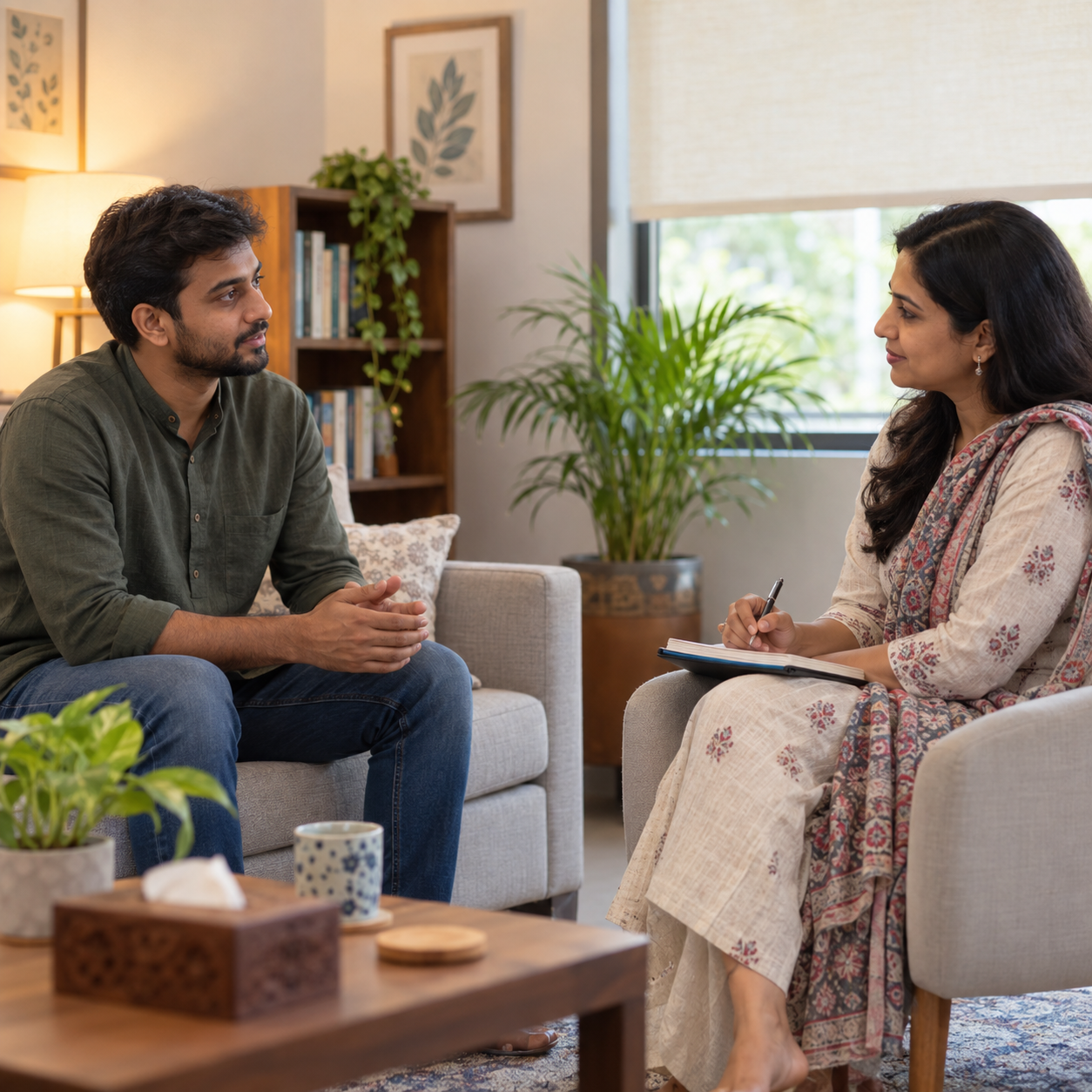
Navigating the cognitive decline or chronic illness of a parent brings profound emotional grief. Modern wellness programs pair logistical support with licensed clinical counseling, giving employees a confidential, judgment-free space to process caregiver burnout, family friction, and emotional exhaustion.
Translating Empathy Into Measurable Organizational Outcomes
When leadership teams integrate comprehensive elder care support into their broader Employee Assistance Program (EAP) ecosystem, the resulting return on investment manifests clearly across organizational metrics:
- Restored Cognitive Bandwidth and Output: When the chaos of daily care coordination is managed by professionals, the constant mental tug-of-war dissolves. Employees can re-engage fully with their professional responsibilities, resulting in sharper focus, expedited project delivery, and heightened innovation.
- Unshakeable Organizational Loyalty: Employees rarely forget an employer that stands by them during life’s most vulnerable personal transitions. Providing practical, family-centric care builds an exceptional tier of trust and psychological safety, dramatically lowering voluntary turnover rates.
- Mitigating Burnout Across Critical Teams: Proactive care intervention stops minor domestic stressors from compounding into clinical depression or chronic exhaustion, safeguarding team morale and preventing department-wide burnout cascades.
The Future of Resilient Enterprise Leadership
Workplace productivity is inextricably tethered to human well-being, and true human well-being must account for the multi-generational realities of modern lives. Organizations that embrace comprehensive care benefits transform themselves from high-pressure corporate machines into empathetic, resilient communities.
By lifting the invisible weight of caregiving off the shoulders of your workforce, you protect your most valuable human capital and build a culture capable of sustained, long-term excellence.