 +91 74280 97301



The corporate conversation around workforce psychological health across India has matured significantly over recent years. Human resources executives and enterprise leaders no longer question whether mental well-being influences bottom-line performance; instead, they intensely debate the optimal structural delivery architecture. As organizations rapidly scale across India’s high-velocity urban centers and tech corridors, choosing the right framework among various employee assistance program companies in india has become a critical strategic decision that directly influences human capital retention, corporate culture, and long-term organizational resilience.
Implementing a robust employee support structure requires an objective, dispassionate evaluation of internal capabilities versus external professional specialization. For executive leadership aiming to foster genuine psychological safety, the choice between building an in-house mental health cell or partnering with an established external provider dictates long-term program utilization, clinical credibility, and measurable psychological outcomes.
The In-House EAP Model: Proximity Versus Structural Vulnerabilities
An in-house employee assistance program involves hiring internal counselors, clinical psychologists, and corporate wellness coordinators directly onto the organization’s payroll. Proponents of this model frequently cite total alignment with company culture, direct administrative oversight, and immediate physical presence as primary advantages. An internal team sits inside the daily organizational ecosystem, ostensibly understanding internal project timelines, team dynamics, communication loops, and leadership styles intimately.
However, the in-house model harbors severe operational vulnerabilities, particularly regarding absolute confidentiality and scalability. In a professional corporate setting, employees often harbor deep-seated, persistent anxieties that discussing personal struggles, marriage friction, chronic burnout, or managerial conflicts with an internal counselor might inadvertently compromise their career trajectory, performance reviews, or reach human resources files. This perceived lack of absolute privacy causes program utilization rates in in-house models to plummet drastically, often remaining restricted to single-digit percentages. Furthermore, scaling an internal clinical team to support a diverse, hybrid, or multi-city workforce across India is economically inefficient and operationally complex. Maintaining clinical supervision, psychiatric backups, and specialized care pathways internally strains standard HR budgets without guaranteeing specialized expertise.
The Outsourced EAP Model: Clinical Rigor, Scalability, and Absolute Privacy
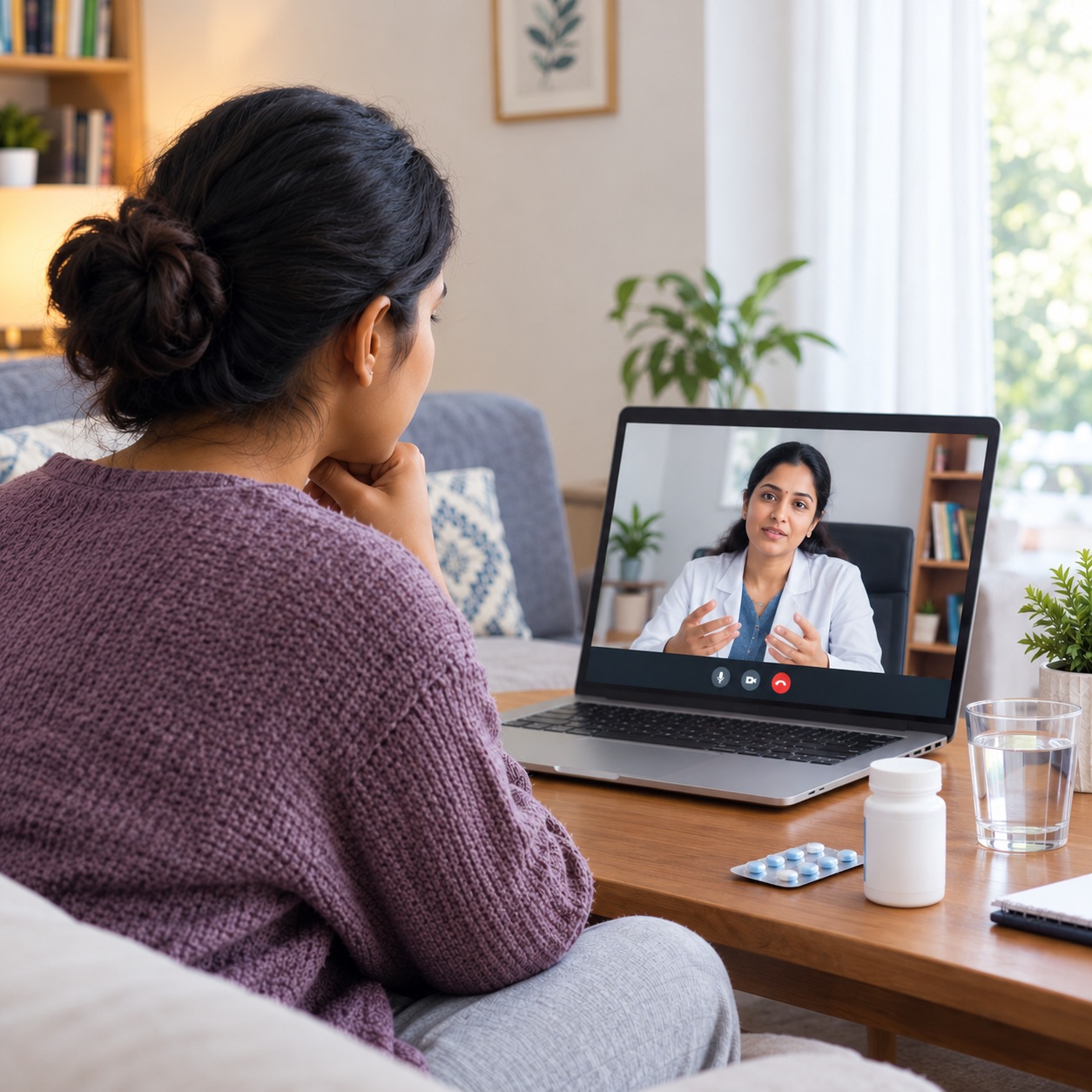
Outsourcing mental health support in the workplace to specialized third-party providers shifts the paradigm toward professional independence, clinical depth, and organizational scalability. The foremost advantage of an external partnership is the ironclad guarantee of absolute privacy. When employees recognize that their counseling sessions, psychological self-assessments, and wellness coaching are managed by an independent clinical entity, the psychological barrier to seeking help early dissolves completely.
Collaborating with established leaders among employee assistance program companies in india allows enterprises to instantly deploy multi-tiered architectures—including secure digital self-service portals, 24/7 helplines, structured cognitive behavioral therapy, and specialized psychiatric consultations. Moreover, progressive external providers recognize that professional stressors do not exist in a vacuum. They seamlessly integrate comprehensive family care ecosystems, such as eldercare navigation, caregiver support networks, and home-healthcare coordination, which standard corporate internal structures cannot manage effectively. Through specialized corporate mental wellness programs offered by trusted organizations like Samvedna Care, enterprises gain access to qualified clinical psychologists and structured wellness frameworks that protect employee confidentiality while delivering measurable psychological outcomes across the workforce.
Navigating Cultural Nuances and Regional Diversity in India
Corporate wellness delivery in the Indian subcontinent demands deep contextual awareness and cultural intelligence. India’s workforce navigates complex socio-cultural realities, multi-generational joint family obligations, and unique urban performance pressures that generic, Western-centric assistance models fundamentally fail to address.
An outsourced partner specializing in regional mental health dynamics brings the necessary cultural nuance to workplace wellness. External clinicians understand the intricate, exhausting cognitive load of sandwich-generation caregiving—where modern professionals balance demanding corporate metrics with the medical, physical, and emotional needs of aging parents. Established clinical institutions offering EAP Services in India like Samvedna Care bridge this critical gap by aligning workplace counseling with comprehensive family support services, ensuring that employees receive holistic relief from the invisible domestic burdens that impair daily workplace focus and long-term engagement.
Evaluating Cost-Effectiveness and Return on Investment
From a financial governance and fiduciary perspective, maintaining an enterprise-grade clinical team internally involves prohibitive fixed costs, complex recruitment overheads, and continuous administrative burdens. Conversely, partnering with professional employee assistance program companies in india provides a flexible, highly scalable economic model. Organizations pay for structured tiers of service and utilization, ensuring exceptional capital efficiency while granting employees access to a vast, multi-disciplinary network of accredited specialists, psychiatrists, and wellness coaches. This investment yields tangible, long-term returns through reduced voluntary attrition, lower absenteeism, minimized presenteeism, and sustained productivity during periods of high market volatility.
Data Privacy, Compliance, and Enterprise Governance Standards
Maintaining strict data protection and regulatory compliance is an essential benchmark when selecting an enterprise support partner. Internal medical cells frequently struggle with secure data management, physical record safety, and adherence to evolving healthcare compliance standards. Conversely, elite outsourced providers operate under strict medical data protection frameworks, ISO certifications, and institutional compliance protocols that safeguard sensitive personal information. This enterprise-grade governance ensures that human resources departments receive only anonymized, high-level engagement analytics, completely eliminating any risk of individual data leakage and preserving total employee trust.
Conclusion: Making the Strategic Choice for Modern Enterprises
Ultimately, while in-house models offer administrative proximity, they fundamentally fail to secure the absolute privacy, multi-disciplinary clinical depth, and scalable infrastructure required for high-impact workforce support. For forward-thinking Indian enterprises committed to sustainable human capital protection and long-term organizational growth, partnering with an experienced Employee Assistance Progream(EAP) provider represents the definitive pathway forward. By entrusting employee well-being to specialized experts like Samvedna Care, organizations establish a secure, trusted ecosystem where talent can truly thrive across every professional and personal season.