 +91 74280 97301



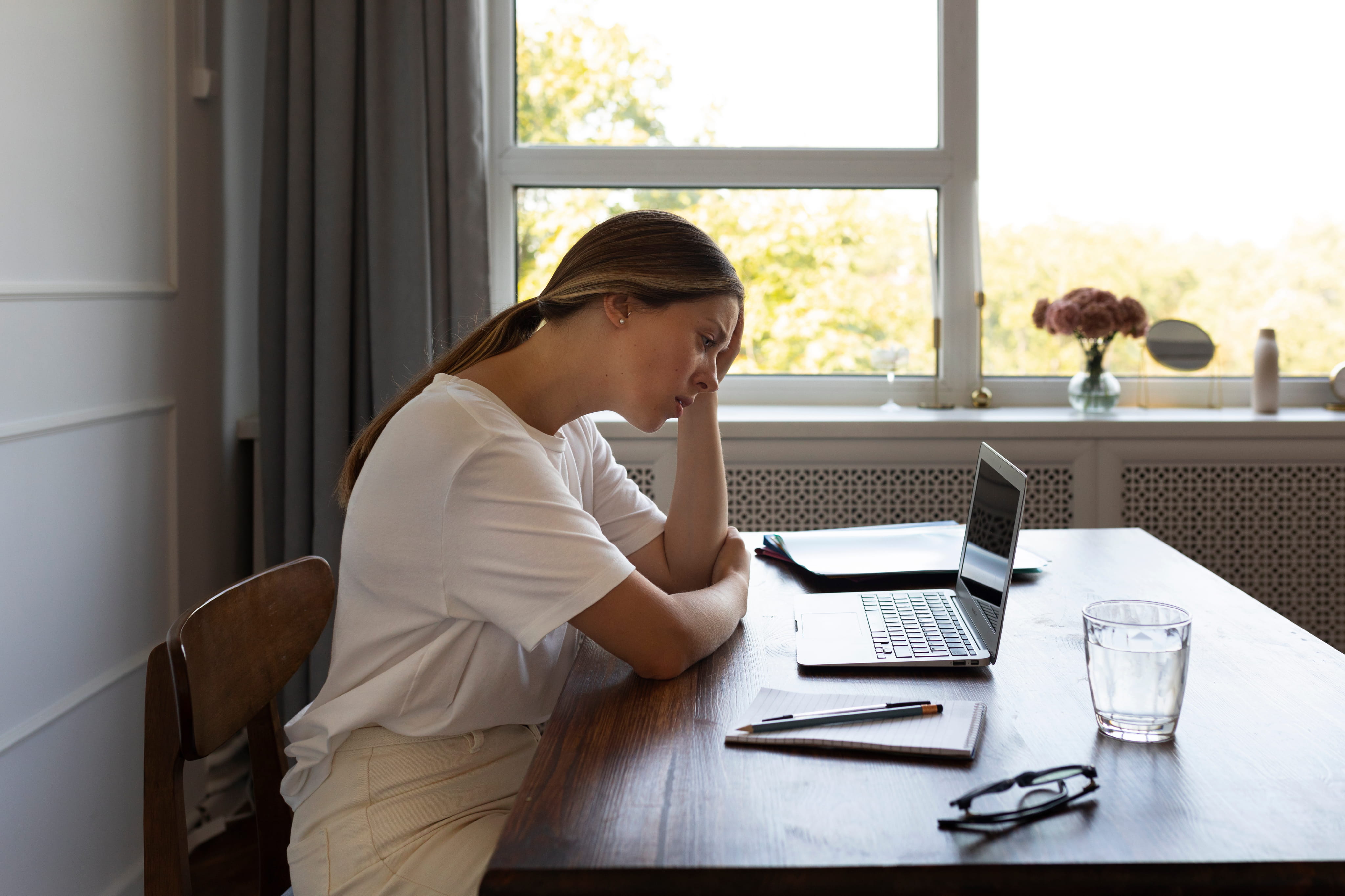
Anxiety can show up in many ways. Some people experience constant worry, while others struggle with panic attacks, social anxiety, health fears, intrusive thoughts, or a strong fear of specific situations. These symptoms can affect sleep, concentration, work, relationships, and everyday decision-making.
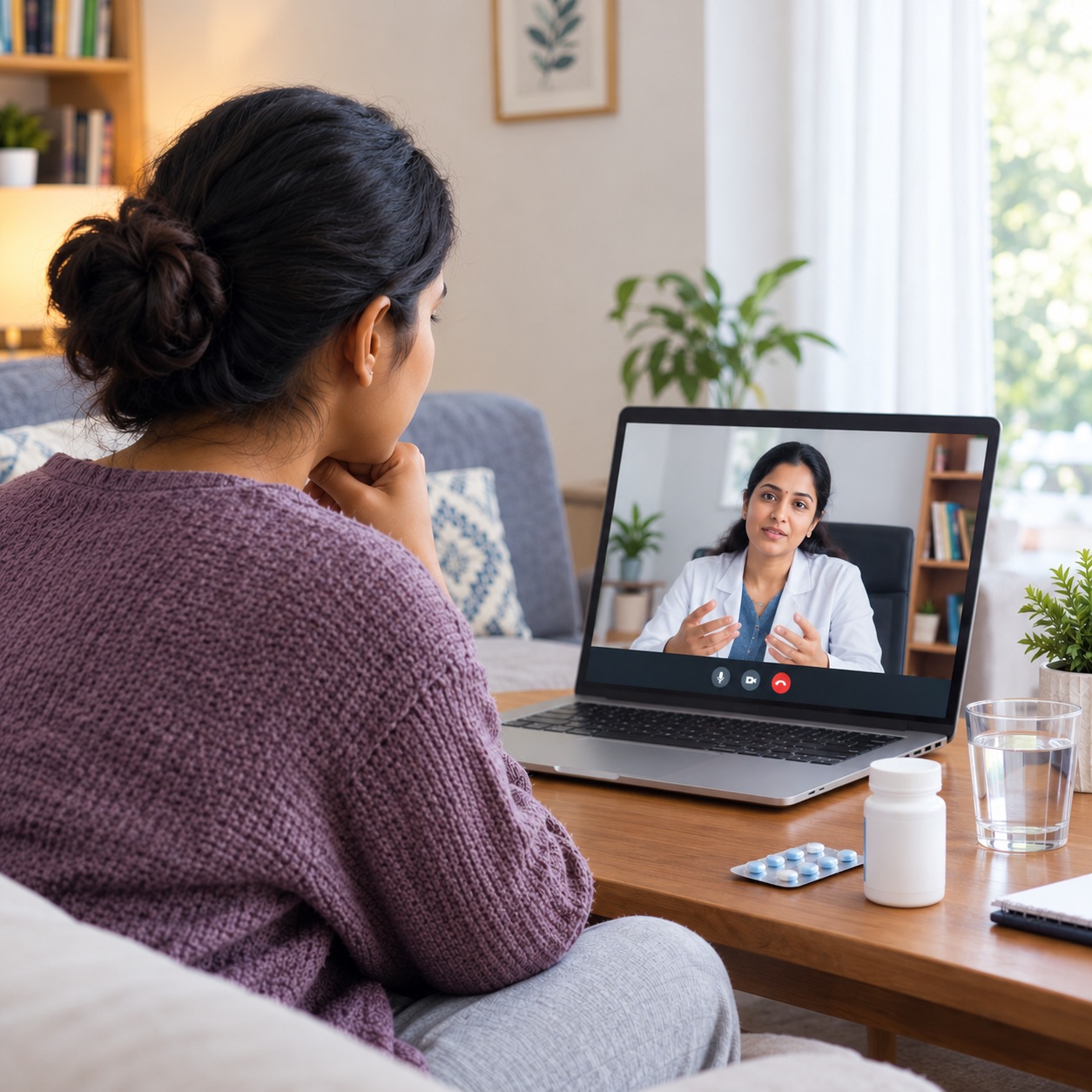
For many people, anxiety counselling online provides a convenient way to access professional psychological support without travelling to a clinic. Sessions are usually structured around understanding anxiety patterns, identifying triggers, changing unhelpful thoughts, and practising strategies that make symptoms more manageable.
Therapists may use different approaches depending on the type and severity of anxiety. There is no single technique that suits everyone, so treatment is usually adapted to the individual.
How Online Anxiety Counselling Usually Begins
The first few sessions often focus on understanding what you are experiencing.
A therapist may ask about:
- Situations that trigger anxiety
- Physical symptoms such as a racing heart or sweating
- Thoughts that appear during anxious moments
- Avoidance behaviours
- Sleep and concentration difficulties
- How anxiety affects work or relationships
- Previous treatment experiences
- Your goals for therapy
This assessment helps the therapist understand whether your anxiety is generalised, situation-specific, related to panic, social situations, trauma, or another concern.
Once the pattern becomes clearer, the therapist can introduce suitable techniques.
Cognitive Behavioural Therapy for Anxiety
One of the most commonly used approaches is cbt for anxiety. Cognitive behavioural therapy focuses on the connection between thoughts, emotions, physical sensations, and behaviour.
For example, imagine someone is invited to speak during a work meeting. They may think, “I will say something wrong and everyone will judge me.” That thought increases anxiety, which may lead them to avoid speaking.
Avoidance may bring temporary relief, but it can strengthen the fear over time.
CBT helps people recognise these patterns and examine whether their thoughts are completely accurate.
A therapist may help you:
- Identify automatic negative thoughts
- Question unrealistic predictions
- Look for evidence for and against anxious beliefs
- Develop more balanced ways of thinking
- Gradually change avoidance behaviours
The aim is not to force positive thinking. It is to develop a more realistic response to situations that anxiety makes seem threatening.
Learning to Recognise Anxiety Triggers
Many people know they feel anxious but cannot easily identify what starts the cycle.
During therapy, you may be asked to track situations, thoughts, physical reactions, and behaviours.
For example:
Situation: Receiving an unexpected email from your manager
Thought: “I must have done something wrong.”
Physical reaction: Tight chest and faster heartbeat
Behaviour: Repeatedly checking messages and worrying for hours
Breaking anxiety into smaller parts makes it easier to understand what can be changed.
This is often one of the first anxiety therapy techniques introduced because awareness helps make later strategies more effective.
Breathing and Relaxation Techniques
Anxiety can activate the body’s stress response.
You may notice:
- Rapid breathing
- Muscle tension
- Shaking
- Dizziness
- Sweating
- A racing heart
- Tightness in the chest or stomach
Relaxation strategies can help reduce physical arousal.
A therapist may teach slow breathing, progressive muscle relaxation, grounding techniques, or other methods that help bring attention back to the present moment.
These techniques are particularly useful when anxiety feels physically overwhelming.
However, relaxation is usually only one part of therapy. Long-term progress often requires understanding thoughts, behaviours, and avoidance patterns as well.
Exposure Therapy for Anxiety
Avoidance is common in anxiety.
Someone who fears lifts may always use stairs. A person with social anxiety may avoid gatherings. Someone afraid of driving may stop travelling alone.
Although avoidance reduces anxiety temporarily, it can reinforce the belief that the situation is dangerous.
Exposure therapy gradually helps a person face feared situations in a planned and manageable way.
With exposure therapy online, the therapist can help design a gradual hierarchy of feared situations and support the person as they practise between sessions.
For example, someone with social anxiety might progress from:
- Making eye contact with a stranger
- Asking a simple question in a shop
- Making a short phone call
- Attending a small gathering
- Speaking during a group discussion
The goal is not to overwhelm the person. Exposure is usually gradual and carefully planned according to individual tolerance and clinical needs.
Behavioural Experiments
Anxiety often involves predictions such as:
- “If I make a mistake, everyone will think I am incompetent.”
- “If my heart beats fast, something terrible will happen.”
- “If I go to the event, I will embarrass myself.”
Behavioral experiments test these predictions in real life.
For example, someone may intentionally ask a simple question during a meeting and then observe what actually happens.
Often, the feared outcome is less likely or less serious than expected.
These experiments can help reduce the power of anxious thoughts and build confidence.
Problem-Solving Techniques
Not every worry is unrealistic. Sometimes anxiety is connected to genuine challenges involving work, finances, relationships, or health.
In these situations, therapy may focus on structured problem-solving.
The therapist may help you:
- Define the problem clearly
- Separate what you can control from what you cannot
- Identify possible solutions
- Compare advantages and disadvantages
- Choose one practical step
- Review the result
This approach can be especially helpful for people who feel overwhelmed by several problems at once.
Grounding and Present-Moment Awareness
Some people with anxiety become trapped in thoughts about what might happen in the future.
Grounding techniques bring attention back to what is happening right now.
A therapist may encourage you to notice your breathing, surroundings, physical sensations, or immediate environment.
One simple method is identifying:
- Five things you can see
- Four things you can touch
- Three things you can hear
- Two things you can smell
- One thing you can taste
Grounding does not remove the cause of anxiety, but it can help during moments when thoughts feel overwhelming.
Worry Management Techniques
People with generalised anxiety may spend large amounts of time worrying about multiple areas of life.
One technique sometimes used is scheduled worry time.
Instead of trying to suppress every worry, you may set aside a short period during the day to write down concerns and think through them.
Outside that period, you practise postponing unnecessary worry.
Other anxiety therapy techniques may include differentiating productive problem-solving from repetitive worrying and learning to tolerate uncertainty.
The aim is not to eliminate every concern but to reduce the amount of time anxiety controls your attention.
How Exposure Therapy Online Can Be Practised Safely
Some people wonder how exposure work is possible when therapy is remote.
In many cases, exposure therapy online works through planning and guided practice.
The therapist may help you prepare an exercise during the session and ask you to practise it independently before the next appointment.
For certain fears, exposure may even be possible during the video session. For example, someone with social anxiety may practise speaking, making a phone call, or completing another agreed exercise while the therapist provides support.
Exposure should always be appropriate to the person’s symptoms and carried out in a structured way.
Does CBT Work Differently Online?
The principles of cbt for anxiety remain largely the same whether counselling happens online or face to face.
During video sessions, therapists can still:
- Discuss thought patterns
- Review anxiety diaries
- Set practical exercises
- Teach coping strategies
- Plan behavioural experiments
- Review progress
- Adjust treatment goals
Online sessions may also make it easier to practise certain strategies in the environment where anxiety actually occurs.
For example, someone who becomes anxious while working from home may be able to discuss and practise strategies within that setting.
How Do You Know Which Technique Is Right for You?
You are not expected to choose the correct therapy method on your own.
A qualified therapist will usually consider:
- The type of anxiety
- Severity of symptoms
- Your medical and mental health history
- Previous therapy experiences
- Specific fears or avoidance patterns
- Your comfort with different approaches
- Your treatment goals
Some people respond well to structured CBT, while others benefit from combining cognitive strategies, relaxation, exposure, behavioural work, and emotional exploration.
Treatment should be adjusted if a particular approach is not helping.
When Online Counselling May Not Be Enough
Anxiety counselling online can be useful for many people, but certain situations may require additional or more intensive support.
For example, a therapist may recommend face-to-face assessment or medical evaluation if symptoms are severe, functioning is significantly affected, or other mental health concerns are present.
If anxiety occurs alongside thoughts of self-harm, severe depression, substance misuse, or another urgent mental health concern, additional professional care may be necessary.
In an immediate crisis or if you feel unable to keep yourself safe, contact local emergency services or an appropriate crisis support service rather than waiting for a routine counselling session.
Conclusion
Anxiety counselling involves more than simply talking about worries. Therapists may use structured techniques to help you understand what triggers anxiety, recognise unhelpful thoughts, reduce avoidance, manage physical symptoms, and gradually build confidence.
Approaches such as cbt for anxiety, relaxation exercises, grounding, behavioural experiments, problem-solving, and exposure work can all play a role depending on your individual needs.
The purpose of therapy is not to remove every anxious thought from your life. It is to help anxiety become more manageable so that it no longer controls your choices, relationships, and daily activities.
With the right professional support, anxiety counselling online can provide a structured and accessible way to learn these skills and practise them in everyday situations.
Contact Samvedna Care to learn more about counselling support for anxiety and discuss an approach suited to your individual concerns and goals.
Frequently Asked Questions
1. How many online counselling sessions are needed for anxiety?
There is no fixed number. The duration depends on the type and severity of anxiety, how long symptoms have been present, treatment goals, and how you respond to therapy. Progress should be reviewed regularly with your therapist.
2. Can breathing exercises cure anxiety?
Breathing exercises can help manage physical symptoms of anxiety, but they are usually one part of a broader treatment plan. Therapy may also address thoughts, avoidance, behaviour, relationships, and underlying stress.
3. Is exposure therapy uncomfortable?
Exposure can temporarily increase anxiety because it involves facing feared situations. However, it should be gradual, planned, and carried out at a manageable pace rather than forcing someone into overwhelming situations.
4. Can CBT help with panic attacks?
CBT may be useful for panic symptoms by helping people understand physical sensations, identify catastrophic thoughts, reduce avoidance, and develop healthier responses. A therapist can assess whether this approach is appropriate for your situation.
5. What should I do if an online anxiety technique makes me feel worse?
Tell your therapist. Therapy techniques should be adjusted according to your response. If an exercise feels overwhelming or symptoms become significantly worse, your therapist can review the approach and recommend a safer or more suitable alternative.