
 +91 74280 97301


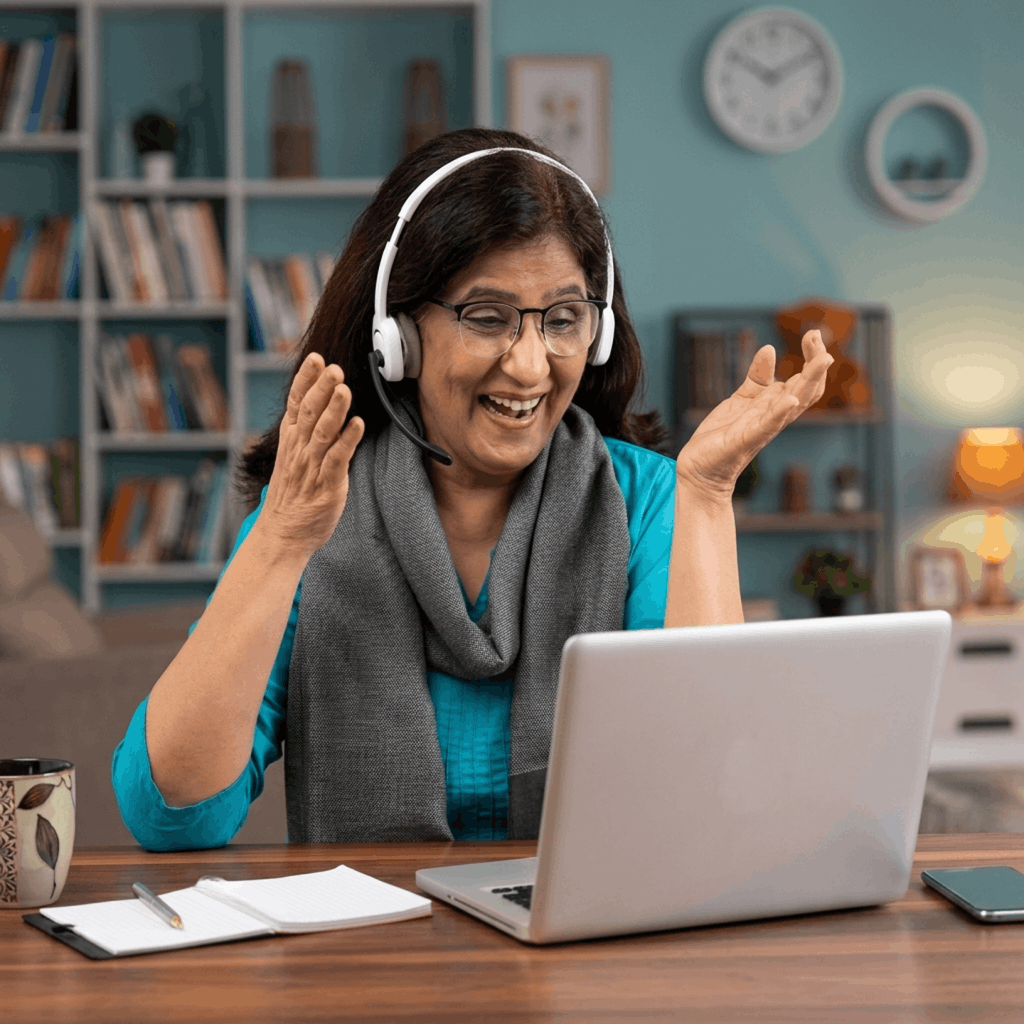
Speaking to a therapist often means discussing thoughts, emotions, relationships, fears, and experiences that may be difficult to share with anyone else. It is natural to want to know who can access that information, how it is protected, and whether a conversation held through a screen is genuinely confidential.
For people considering online mental health counselling, privacy is an important part of feeling safe enough to speak openly. Therapists are expected to handle personal information responsibly and explain how confidentiality works before or during the early stages of therapy.
At the same time, confidentiality has certain limits, and online sessions involve practical privacy considerations that are different from visiting a therapist’s office. Understanding these points can help you enter therapy with clearer expectations and greater confidence.
What Does Confidentiality Mean in Therapy?
Confidentiality generally means that information you share with your therapist is treated as private and is not casually disclosed to other people.
This may include information about:
- Your emotional wellbeing
- Family and relationships
- Work-related stress
- Past experiences
- Physical or mental health concerns
- Personal fears or worries
- Therapy goals
- Details discussed during individual sessions
Therapy confidentiality helps create an environment where people can speak honestly without worrying that personal conversations will be unnecessarily shared.
A therapist should also explain how your personal information, appointment records, and session notes are managed according to professional requirements and the policies of the service providing care.
Is Online Therapy Private?
A common concern before beginning virtual counselling is, is online therapy private?
Online counselling can be conducted privately when appropriate safeguards are in place. However, privacy depends on more than the therapist. It also depends on the technology being used and the environment from which you attend the session.
For example, a therapist may be speaking from a private professional setting, but your conversation could still be overheard if you attend from a shared living room.
This is why both the care provider and the client have a role in maintaining privacy during virtual appointments.
Before starting, you can ask your provider what platform is used, how personal information is managed, and what practical steps you should take to protect your privacy.
How Online Therapy Privacy Differs From In-Person Sessions
During face-to-face counselling, the therapist usually provides a private room where conversations cannot easily be overheard. In virtual therapy, part of that responsibility moves to the person attending the session.
Good online therapy privacy involves creating a space where you can speak freely and reducing the chance of interruptions.
Whenever possible:
- Attend from a private room.
- Close the door during the session.
- Tell household members you need uninterrupted time.
- Use headphones if other people are nearby.
- Avoid using shared computers where possible.
- Lock your screen when you step away.
- Avoid taking sessions in public places.
- Make sure notifications are turned off.
These simple measures can make it much easier to concentrate on therapy without worrying about who may hear the conversation.
What Should a Therapist Explain About Confidentiality?
At the beginning of therapy, your therapist or care provider should help you understand how confidentiality applies to your sessions.
This may include explaining:
- How sessions are conducted
- How personal details are collected
- Whether notes are maintained
- Who may have access to records
- How appointments are communicated
- What happens if technology fails
- Situations where confidentiality may have limits
You should feel comfortable asking questions if something is unclear.
Understanding therapy confidentiality is especially important because clients should know what they can reasonably expect before sharing highly personal information.
Are Online Therapy Sessions Recorded?
You should never assume that a therapy appointment is automatically being recorded.
Policies can vary between providers, so it is reasonable to ask whether video or audio sessions are recorded and, if so, under what circumstances and with what consent.
If recording is not part of the service, the therapist may still maintain clinical notes related to the appointment. These notes can include relevant concerns, progress, treatment goals, or information needed to support ongoing care.
Clients should also avoid personally recording therapy conversations without first discussing it with their therapist. Recording sensitive discussions can create additional privacy concerns if the file is later stored insecurely or accessed by someone else.
Are There Limits to Confidentiality?
Confidentiality is extremely important in therapy, but it is not always absolute.
There may be circumstances in which a therapist has a professional or legal responsibility to take action, particularly if there is a serious concern about safety. The exact requirements can depend on professional standards, local laws, the nature of the risk, and the care setting.
Examples may include situations involving:
- Serious and immediate risk of self-harm
- Serious risk of harm to another person
- Certain safeguarding concerns involving vulnerable individuals
- Situations where information must legally be disclosed
Your therapist should explain relevant limits to confidentiality rather than leaving you uncertain about when information could potentially be shared.
If you have concerns about a specific situation, ask your therapist directly how their confidentiality policy would apply.
How Technology Affects Privacy
Technology makes remote counselling possible, but it also introduces practical considerations.
When using online mental health counselling, it is sensible to use a secure device and reliable internet connection rather than an open public network whenever possible.
You can improve security by:
- Protecting your device with a password
- Installing software and security updates
- Keeping therapy links private
- Logging out of shared devices
- Avoiding public Wi-Fi for sensitive sessions
- Using headphones in shared environments
- Keeping appointment emails private
Technology does not need to become another source of anxiety. A few basic precautions can significantly improve the privacy of your sessions.
Is Online Therapy Private When You Live With Family?
For people living with parents, partners, children, roommates, or extended family, the question is online therapy private can become more practical than technical.
Even if the video platform itself is secure, privacy may be difficult if someone can hear you through a door or enter the room unexpectedly.
You may find it helpful to schedule sessions when others are away or occupied. A fan or other background sound outside the room may sometimes reduce how easily conversations carry, while headphones can prevent anyone nearby from hearing your therapist.
If privacy at home is extremely difficult, tell your therapist. Together, you may be able to identify another suitable arrangement or discuss whether in-person counselling would be more appropriate.
What About Therapy From the Workplace?
Attending therapy from an office may be convenient, but it requires careful consideration.
A private meeting room may work if you are confident that conversations cannot be overheard. However, an open workspace, café, shared cabin, or parked area with frequent interruptions may make it difficult to speak honestly.
You should also consider whether you are comfortable using an employer-owned computer or network for personal health conversations.
Whenever possible, use a personal device and a setting where you feel comfortable discussing sensitive information.
Why Privacy Matters for the Therapy Process
Privacy is not simply an administrative requirement. It directly affects the quality of counselling.
If you are constantly worried that someone may hear you, you may avoid talking about the very issues you need support with. You might change your answers, leave out important details, or rush through sensitive topics.
Strong online therapy privacy helps create the emotional space needed for honest conversations.
When people feel secure, they are often better able to explore difficult thoughts, relationship problems, grief, low mood, anxiety, or other concerns without constantly monitoring their surroundings.
What Can You Do Before Your First Online Session?
You do not need complicated technical knowledge to prepare.
Before your appointment:
- Choose the most private space available.
- Test your microphone, camera, and internet connection.
- Keep the session link to yourself.
- Use headphones if appropriate.
- Silence notifications and incoming calls.
- Let people around you know you should not be interrupted.
- Ask your therapist any questions you have about confidentiality.
These small preparations can help you focus on the conversation rather than worrying about practical interruptions.
What If You Are Still Worried About Confidentiality?
Bring the concern into the counselling session itself.
A good therapist should be able to explain their privacy practices in clear language. You can ask what happens to your information, how confidentiality is maintained, and what exceptions may apply.
You do not have to understand every detail before booking therapy, but you should feel able to ask questions.
For many people, knowing how information is handled makes it easier to gradually build trust and participate more openly in counselling.
Conclusion
Confidentiality is one of the foundations of effective psychological care. It allows people to discuss personal concerns with greater confidence and helps create the trust needed for meaningful therapeutic work.
With online mental health counselling, confidentiality involves both professional responsibilities and practical precautions. Therapists and care providers are responsible for handling information appropriately, while clients can support their own privacy by choosing a secure environment, protecting their devices, and avoiding situations where conversations can easily be overheard.
Understanding therapy confidentiality before treatment begins can also remove unnecessary uncertainty. Ask questions about privacy, records, technology, and any limits to confidentiality so that you know what to expect.
Contact Samvedna Care to learn more about confidential counselling support and discuss whether online sessions may be appropriate for your needs.
Frequently Asked Questions
1. Can other family members hear my online counselling session?
They may be able to if you attend from a shared or poorly insulated space. Choose a private room where possible, close the door, use headphones, and let household members know that you should not be interrupted.
2. Will my therapist tell my family what I discuss?
Therapy conversations are generally treated as confidential, but there can be specific exceptions involving safety, safeguarding, or legal requirements. Your therapist should explain the relevant confidentiality policy at the beginning of care.
3. Can I attend online therapy from a café or public place?
It is generally better to avoid public locations because other people may overhear sensitive conversations or see information on your screen. A private environment gives you greater confidentiality and allows you to speak more freely.
4. How can I protect my personal information during virtual therapy?
Use a password-protected personal device, keep session links private, avoid unsecured public Wi-Fi, log out when using shared devices, and make sure people around you cannot overhear the conversation.
5. What should I do if I am unsure about a therapist’s privacy practices?
Ask before or during your first appointment. A therapist or care provider should be able to explain how sessions, records, personal information, and confidentiality are managed so you can make an informed decision about your care.