+91 74280 97301


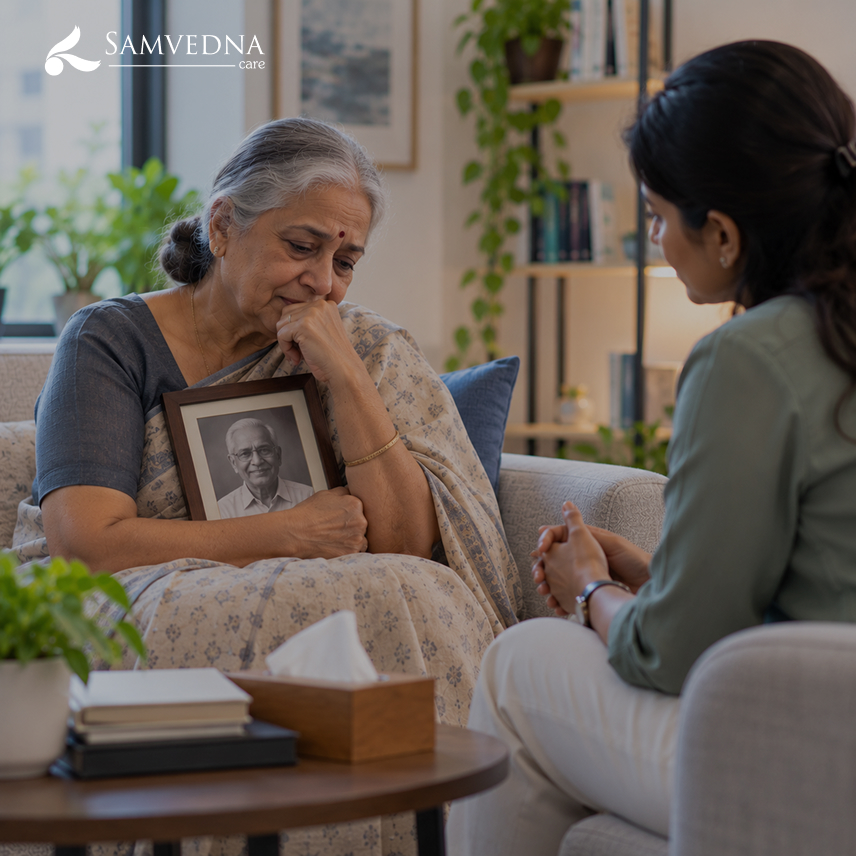
Losing a spouse after many years together can change the shape of everyday life. The widowhood depression may feel quieter. Meals may feel different. Familiar routines, shared decisions, and small conversations that once happened naturally may suddenly disappear.
For an older adult, this loss can be particularly difficult when it comes alongside retirement, health concerns, reduced mobility, or a smaller social circle. Grief is a natural response to such a profound change, but sometimes emotional pain begins to interfere with daily life and continues without relief.
Recognising this difference does not mean putting a deadline on grief. It means noticing when an older person may need additional emotional support. Counselling for depression in elderly can provide a safe space to work through persistent sadness, loneliness, and other emotional difficulties while helping older adults gradually reconnect with everyday life.
When Grief Starts Affecting Everyday Life
There is no single way to grieve. Some people cry openly, while others become quiet or prefer to keep their feelings private. An older adult may also express emotional distress through physical complaints, changes in sleep, loss of appetite, or reduced interest in meeting others.
Families may notice:
- Withdrawal from previously enjoyed activities
- Persistent sadness or emptiness
- Difficulty sleeping or sleeping excessively
- Changes in appetite or weight
- Loss of motivation
- Frequent expressions of hopelessness
- Difficulty concentrating or making everyday decisions
- Increased dependence on family members
- Neglect of personal care or household routines
These signs do not automatically mean that a person has depression. Grief, loneliness, physical illness, medication effects, and depression can sometimes overlap. A professional assessment can help determine what kind of support may be appropriate.
Understanding Depression After Spousal Loss
The loss of a life partner can affect more than emotions. For many older adults, a spouse may have been their closest companion, confidant, and source of practical support.
After the loss, everyday responsibilities may suddenly feel unfamiliar. Someone who never managed finances, appointments, cooking, or household decisions independently may now have to learn new routines while also processing grief.
This can contribute to what is sometimes described as widowhood depression. The term should not be used to assume that every widowed person is depressed. Rather, it highlights the emotional difficulties that may arise after losing a spouse and the importance of paying attention to persistent symptoms.
Why Older Adults May Need A Different Kind Of Support
Aging does not make a person less capable of experiencing deep emotions. In fact, an older adult may be carrying decades of memories, shared experiences, responsibilities, and attachments connected to the person they have lost.
Counselling for depression in elderly adults should therefore be approached with patience and respect. The aim is not to encourage someone to “move on” or forget their spouse. Healthy support can instead help them understand their emotions, adjust to changed circumstances, and gradually rebuild a sense of connection and purpose.
Counselling may provide space to:
- Talk about the person who has died without feeling rushed
- Explore feelings of loneliness, anger, guilt, or helplessness
- Develop manageable daily routines
- Identify supportive relationships
- Rediscover meaningful activities
- Adjust to changes in independence
- Learn ways to cope with difficult days and reminders
Grief Deserves To Be Heard
Grief counselling for seniors should never be about forcing a person through predetermined stages or telling them how they should feel.
A sensitive counsellor can listen to the individual’s story and allow the conversation to unfold at their own pace. One older adult may want to talk extensively about their marriage, while another may prefer to focus on present-day challenges.
Both responses deserve respect.
Sometimes, simply having a safe person to speak with can make difficult emotions feel less isolating. Over time, counselling may also help an individual recognise what they still value and how those values can remain part of life after loss.
The Family’s Role Without Taking Over
Family members often want to help but may be unsure about what to say. Statements such as “you need to be strong” or “try to keep yourself busy” are usually well-intentioned, but they may unintentionally make an older person feel that their grief is inconvenient.
Instead, families can offer practical and emotional companionship.
Simple actions can matter:
- Check in regularly without demanding conversation.
- Invite the person to meals or family activities.
- Help with practical tasks when needed.
- Encourage routines without being controlling.
- Listen when they want to talk about their spouse.
- Respect their need for privacy and independence.
- Pay attention to significant changes in mood or functioning.
During bereavement in elderly family members, support should balance companionship with dignity. Older adults should continue to have choices about their routines, relationships, and decisions wherever possible.
When Professional Support May Be Helpful
Grief can remain present for a long time, and there is no universal timetable for healing. However, professional support may be worth considering when emotional distress becomes persistent or begins substantially interfering with everyday functioning.
Particular attention is important when an older adult expresses hopelessness, talks about not wanting to live, stops caring for themselves, or becomes severely isolated. Any thoughts of suicide or self-harm require prompt professional or emergency support.
Grief counselling for seniors can complement medical care and family support when an individual needs a dedicated space to process loss.
Samvedna Care offers counselling services that focus on individual emotional needs, including support for people experiencing depression and challenges associated with long-term illness. Its approach emphasises compassionate listening, confidentiality, and practical emotional support.
Finding A New Rhythm Without Forgetting The Past
Healing after the death of a spouse does not mean leaving the relationship behind. Memories, traditions, photographs, stories, and shared values can remain meaningful while an older adult gradually discovers a different rhythm of life.
For families, understanding bereavement in elderly loved ones means recognising that grief may look different at different points in the journey. Some days may feel manageable, while others may bring a sudden wave of sadness. Progress is rarely perfectly linear.
With patience, companionship, and appropriate professional support, an older adult can begin reconnecting with daily life while continuing to honour the person they have lost.
Conclusion
The loss of a spouse can leave an enormous emotional space in an older person’s life. That space cannot—and should not—be hurried away. What matters is ensuring that the person does not have to carry the weight of grief entirely alone.
Compassionate support can help an older adult express difficult emotions, regain confidence in everyday life, and gradually find meaningful connections and routines again. Seeking help is not a sign that someone is grieving incorrectly; it is simply another way of caring for their emotional well-being.
Contact Samvedna Care to explore compassionate counselling support for an older adult coping with depression, grief, or the loss of a spouse.