 +91 74280 97301



For decades, corporate wellness architecture has relied on a reactive, band-aid model to address workforce well-being. Traditional frameworks treated mental health and personal crises as isolated anomalies to be managed quietly behind closed doors, usually after an employee had already hit a wall of burnout, acute stress, or emotional exhaustion. Today, this legacy model is obsolete. The modern corporate landscape demands an aggressive shift away from emergency interventions and toward proactive, preventative mental health strategies.
At the forefront of this paradigm shift is the modern employee assistance program (EAP), evolving rapidly from a passive helpline into a sophisticated, holistic engine for organizational resilience and preventative employee care.
The Structural Shortcomings of Legacy EAP Models
To understand why the contemporary employee assistance program must evolve, one must critically analyze the limitations of early-generation corporate interventions. Historically, these programs were designed as transactional services. They offered a limited number of anonymous, telephonic counseling sessions triggered only when an employee reached a state of crisis.
This reactive framework suffered from abysmal utilization rates and a fundamental lack of clinical depth. By the time an individual engaged with a traditional service, their psychological distress had frequently calcified into chronic anxiety, severe depression, or debilitating burnout, impacting not just their personal well-being but the productivity of entire teams. Furthermore, legacy models treated employee wellness as an HR compliance checkbox rather than a core strategic pillar of organizational health. They failed to address the root systemic causes of workplace stress, such as toxic management practices, chronic overwork, and ambiguous role expectations. Modern organizations can no longer afford this passive approach. Sustained productivity, retention, and engagement require an infrastructure built on early detection, continuous mental health conditioning, and preventative psychological support.
Redefining the Mandate: Moving from Reactive Counseling to Preventive Architecture
The next generation of mental wellness in the workplace re-engineers the employee assistance program from the ground up, pivoting the primary objective from crisis management to risk mitigation and proactive mental health maintenance. This modern evolution integrates continuous psychological assessments, digital wellness touchpoints, and regular mental health check-ins into the daily workflow of the enterprise.
Preventative care means identifying micro-stressors before they compound into major psychological crises. Just as physical health programs encourage routine biometric screenings and preventative cardiology, advanced corporate mental health models utilize confidential, routine psychological screenings to gauge collective organizational burnout. By analyzing anonymized utilization trends and organizational pulse data, corporate leaders can pinpoint systemic stressors within specific departments long before retention rates drop or performance metrics flatline. This clinical foresight allows organizations to deploy targeted resilience workshops, stress-management modules, and leadership coaching tailored to the exact pressure points of their workforce.
Integrating Comprehensive Care Ecosystems Into the Enterprise
A truly elite employee assistance program cannot operate in a clinical vacuum; it must be seamlessly embedded within a broader ecosystem of holistic health services. When personal, familial, or eldercare responsibilities collide with demanding professional workloads, the friction creates profound cognitive overload for employees.
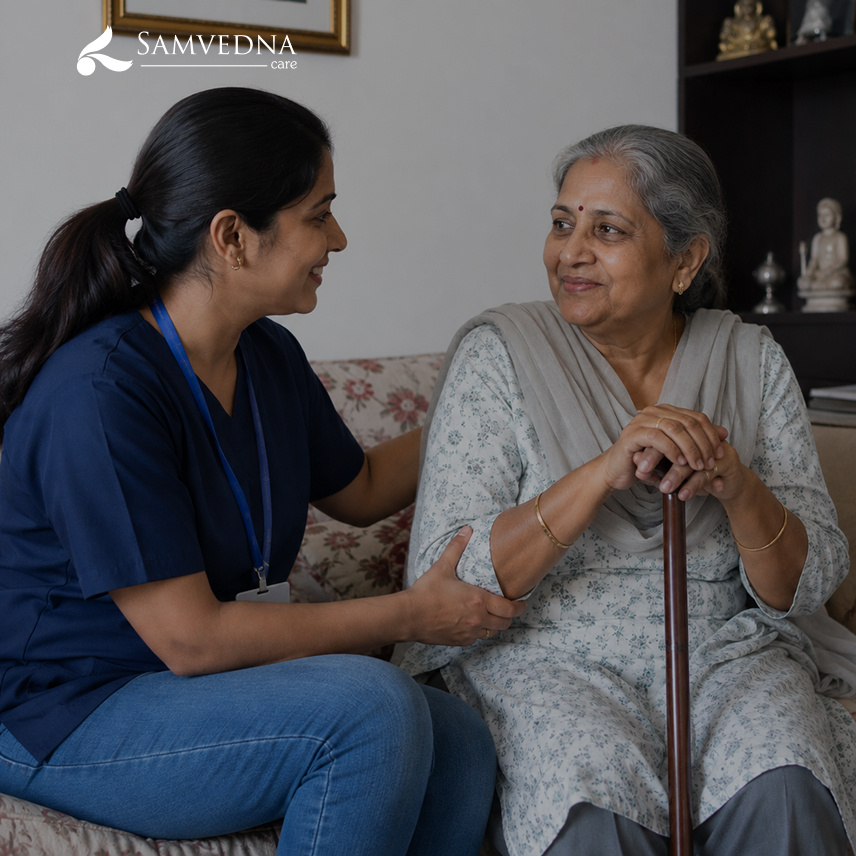
Forward-thinking enterprises are recognizing that workforce productivity is deeply intertwined with domestic stability. Employees frequently bear the invisible, exhausting weight of managing aging parents, navigating neurodevelopmental care for children, or balancing complex family medical crises. Addressing these multi-faceted challenges requires an integrated care model that extends professional support directly to the employee’s broader family system.
Organizations partnering with specialized wellness and EAP providers like Samvedna Care are bridging this exact gap, integrating specialized eldercare navigation, mental health counseling, and structured caregiver support into their corporate offerings. By providing employees with professional guidance for personal and familial crises, organizations remove the crushing cognitive load that impairs workplace focus.
Cultivating a Culturally Resilient Workplace Through Proactive Leadership
Transforming the corporate mindset around mental health requires more than software subscriptions or external counseling hotlines; it demands active cultural reinforcement from the executive suite down to frontline managers. A progressive employee assistance program thrives only within an organizational culture that de-stigmatizes psychological vulnerability and treats mental fitness as a core component of professional performance.
This cultural evolution requires training managers to recognize the subtle behavioral markers of cognitive fatigue and burnout, such as sudden drops in engagement, uncharacteristic irritability, or chronic cynicism. When leadership actively models psychological safety and normalizes the utilization of preventative mental health resources, employees feel secure seeking support early. Furthermore, organizations must leverage expert-led workshops and structured psychological resilience training to equip teams with the tactical coping mechanisms necessary to navigate high-pressure corporate environments.
Conclusion: The Strategic Imperative of Preventative Workforce Care
The evolution of workplace wellness from emergency response to preventative architecture is no longer a corporate luxury; it is an absolute strategic necessity for long-term organizational viability. In an era defined by hyper-competition, cognitive fatigue, and shifting employee expectations, businesses must abandon outdated, reactive wellness frameworks that only show up after a crisis has struck.
By upgrading to a proactive, comprehensive employee assistance program, companies safeguard their most valuable asset: the mental health and cognitive resilience of their people. Partnering with industry leaders like Samvedna Care enables forward-thinking enterprises to deliver clinical-grade psychological support and specialized care management that protects both employee well-being and organizational productivity. Investing in preventative mental health today ensures a robust, engaged, and resilient workforce capable of navigating the complex challenges of tomorrow.