
 +91 74280 97301


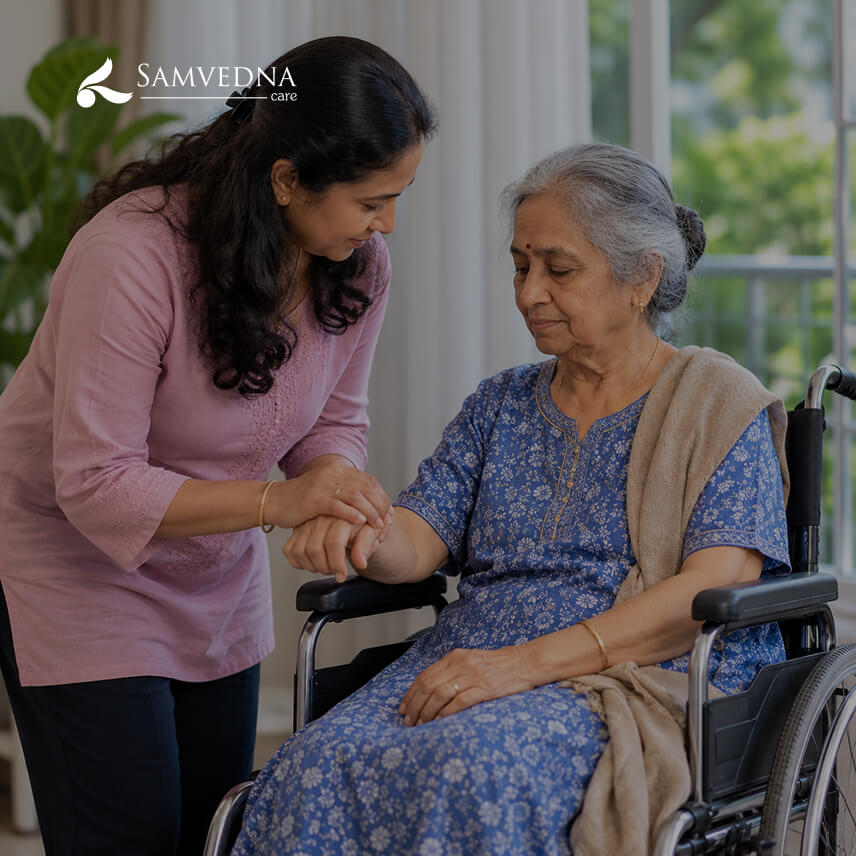
Being a caregiver to a dear person is one of the most individual acts a person can do during his/her lifetime. The work of a caregiver consists of helping a parent growing old, caring about a spouse, being with people with Alzheimer’s disease, or a person who is recovering after some serious illness. Initially, the vast majority of caregivers manage themselves very effectively while doing their jobs. They readjust their lives, spend more time with ill relatives and have patience throughout the whole day.
However, such activity may become too complicated quite unexpectedly. There are no obvious signs when compassion becomes anxiety, when fatigue becomes weariness, and responsibility causes problems with health. The majority of caregivers stay silent and bear everything because of the assumption that if they will be asking others for help, they are failing in their duties.
Nothing like that.
Caregivers should also have their care, support and emotional help. The Caregiver Burden service can determine the degree of caregiver burden and suggest the ways of making caregiving easier and more comfortable. Samvedna Care can assist the caregivers and their families in dealing with stress and emotional burden as well as other responsibilities.
Here are five early warning signs that show a caregiver may need support.
1. Feeling Tired All the Time
Tiredness is common in caregiving. There may be medicines to manage, meals to prepare, doctor visits to plan, and constant attention to give. But when tiredness does not improve even after rest, it becomes a warning sign.
A caregiver may wake up feeling drained. They may feel slow, low on energy, or unable to complete regular tasks. Even small responsibilities may start feeling too much. This kind of tiredness is not only physical. It is often mental and emotional too.
Some signs include:
- Feeling exhausted most mornings
- Poor sleep or disturbed sleep
- Body pain, headaches, or heaviness
- Lack of interest in daily work
- Feeling like there is no time to rest
When this continues, the caregiver may slowly move towards burnout. Early support can help them understand their limits and create a healthier routine.
2. Increased Irritability and Emotional Reactivity
Several emotions are associated with caring. The caregiver will feel love, anxiety, fear, guilt, and frustration on a single day. All these emotions, which the caregiver keeps to themselves, can sometimes cause irritability or anger.
In turn, the caregiver will be irritable towards the family member. Irritation towards the person they have to look after becomes another emotion. At the end of the day, they might even feel guilty.
It is not because the caregiver is neglectful. Most of the time, it is the other way around.
Watch for signs like:
- Getting angry over small issues
- Crying often
- Feeling guilty after speaking harshly
- Feeling emotionally numb
- Avoiding family discussions
- Feeling that no one understands
A Caregiver Burden service gives the caregiver a safe space to express what they are going through. It can also help families understand that emotional support is as important as physical help.
3. Neglect of Personal Health and Wellbeing
Many caregivers put their own needs last. They may skip meals, delay doctor visits, miss sleep, or stop doing things they once enjoyed. Over time, this affects their physical and mental health.
A caregiver may say, “I will look after myself later.” But later often never comes. Their health keeps getting pushed aside because the loved one’s needs feel more urgent.
This is one of the clearest signs that support is needed.
Common examples include:
- Missing personal medical checkups
- Eating at odd times
- Not getting proper sleep
- Ignoring pain or health symptoms
- Stopping exercise or walks
- Not taking breaks
Caregiving should not mean self neglect. When the caregiver is healthier, the care they provide also becomes more stable and patient.
4. Social Withdrawal and Isolation
Caregivers are likely to become lonely even without being aware of that. They may become unwilling to join family functions, pick up their phone, or see their friends. They are either too tired to interact, or they do not think others will understand them.
This loneliness will cause the caregiver to feel depressed, stressed, and isolated. In certain instances, caregivers may believe that everything they have is linked to their caregiving.
Signs of withdrawal may include:
- Not meeting friends
- Avoiding social calls
- Cancelling personal plans often
- Losing interest in hobbies
- Feeling lonely even at home
- Feeling disconnected from others
Social interaction is basically the cornerstone for emotional health for anyone. A few moments of being alone, chats , and even support circles might help ease loneliness especially among caregivers. The social support approach used by Samvedna Care seems to help caregivers as well as their families understand how much joint effort really matters and how emotional connection works.
5. Persistent Feelings of Guilt or Worry
Caregivers often worry about everything. They may worry about medicines, safety, meals, appointments, finances, future care needs, and sudden health changes. Along with worry, guilt is also common.
They may feel guilty for resting. Guilty for feeling tired. Guilty for getting angry. Guilty for wanting time alone.
This emotional pressure can become very heavy. It can affect sleep, mood, concentration, and decision making.
Some common signs are:
- Overthinking small changes
- Feeling anxious most days
- Feeling guilty about taking breaks
- Fear of making mistakes
- Trouble relaxing
- Feeling responsible for everything
A Caregiver Burden service helps caregivers understand these emotions in a structured way. It also helps them see that asking for support is not failure. It is a practical step towards better care.
Why Caregiver Support Should Not Be Delayed
Most often, help is sought by the family when the caregiver has completely burned out. But at that point, the caregiver could already be burnt out, have insomnia, feel emotionally stressed, or become physically ill.
Support should be offered in advance.
Caregiver support could entail counseling, emotional support, family sessions, dementia care support, planning respite, or even just practical care advice. The most fitting form of support will depend upon the needs of the caregiver and the individual receiving their care.
Samvedna Care works with caregivers, elders, and families via our mental health and dementia care services. Not only are we focused on ensuring the wellness of the individual in need of care; we are committed to the wellness of the caregiver too.
Conclusion
A caregiver may look strong because he or she keeps going every day. But strength does not imply independence. Exhaustion, irritability, negligence, loneliness, guilt, and worry may be early signs that the caregiver needs help.
Identification of these warning signs at the right time will help prevent the caregiver from getting burnt out and ensure better quality of care for the person he or she loves. The Caregiver Burden service is designed to help caregivers realize the burden they are under and make the appropriate decision about getting the necessary assistance.
Contact Samvedna Care today and take the first step towards a healthier caregiving journey.