
 +91 74280 97301


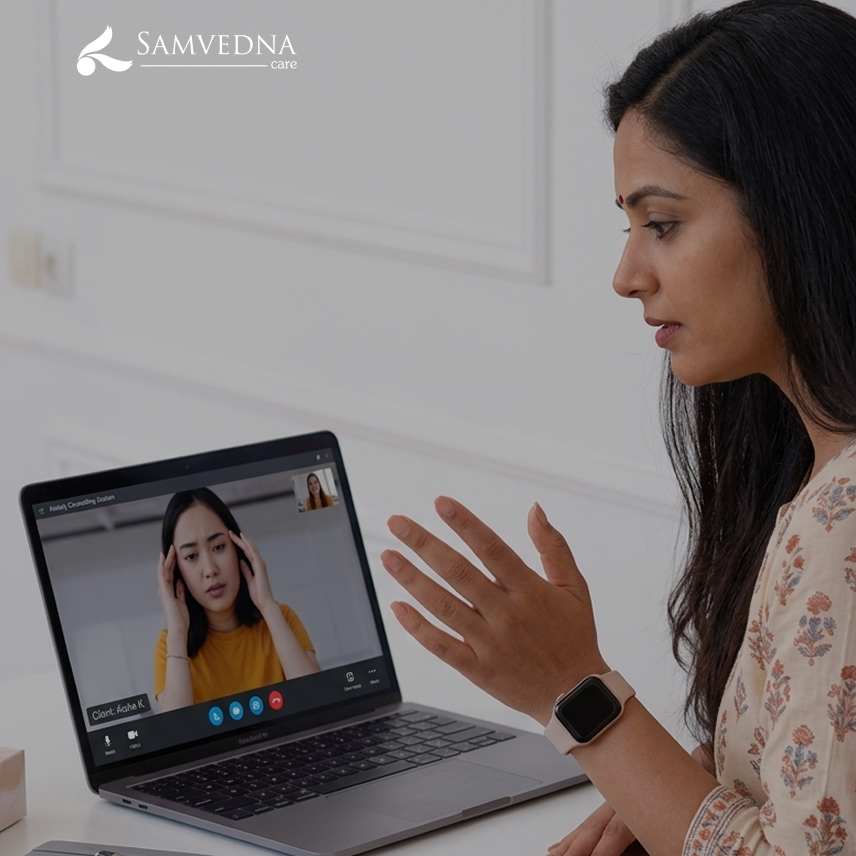
The path toward mental wellness is inherently individual, characterized by varying paces of growth and breakthroughs. When individuals engage in professional support for anxiety, they often wonder why progress appears more rapid for some while others require a more measured trajectory. While the quality of the therapeutic alliance remains a foundational constant, the speed at which a client navigates recovery is influenced by a complex ecosystem of personal, environmental, and behavioral variables. Understanding these factors is essential for managing expectations and maximizing the efficacy of online counselling for anxiety. By identifying the levers that accelerate recovery, clients can transform their therapeutic journey from a passive experience into a high-impact process of personal evolution.
The Role of Personal Motivation and Therapeutic Commitment
At the core of variable recovery rates lies the internal commitment of the client. Therapy is not a passive reception of advice; it is a rigorous, often demanding, collaborative project. Clients who enter the therapeutic space with a clear sense of what they wish to change—and who show a willingness to engage in the work outside of scheduled appointments—consistently demonstrate faster improvements. This commitment involves practicing prescribed grounding techniques, completing behavioral logs, and reflecting on the sessions throughout the week.
When an individual views online counselling for anxiety as a vital component of their daily routine rather than an isolated weekly event, the therapeutic insights begin to integrate into their life much more quickly. This proactive engagement effectively creates a bridge between the clinical discussion and real-world application. Organizations such as Samvedna Care emphasize this collaborative ethos, encouraging clients to take ownership of their wellness plans. When the client is truly invested in their own growth, the clinician acts as a highly skilled guide, and the momentum of recovery accelerates exponentially.
Environmental Stability and Lifestyle Integration
A significant factor that often goes unacknowledged in therapy outcomes is the influence of the client’s external environment. Anxiety often feeds off environmental instability, such as erratic sleep schedules, high-stress professional demands, or a lack of personal autonomy. A client who possesses a supportive home environment—one that allows for rest, privacy during sessions, and the implementation of healthy routines—frequently sees faster symptom reduction. Conversely, those navigating chronic high-pressure environments may spend a larger portion of their sessions simply managing the immediate fallout of external stressors rather than exploring the root causes of their anxiety.
Therapists who are skilled in holistic wellbeing recognize that psychological healing cannot occur in a vacuum. By helping clients identify and adjust the small, manageable stressors in their daily environment, therapists allow the therapeutic interventions to take root more deeply. When a client manages to stabilize their baseline through basic lifestyle adjustments—such as regularizing sleep, minimizing caffeine intake, or creating physical boundaries for work—the therapy itself becomes more efficient. The cumulative effect of these lifestyle integrations often acts as a catalyst, allowing for deeper emotional processing and faster resolution of persistent anxious thought loops.
The Impact of Neuroplasticity and Cognitive Flexibility
Individual differences in neurobiology and cognitive flexibility also play a role in the speed of recovery. Some clients possess a natural propensity for perspective-taking, allowing them to shift their thought patterns more fluidly when challenged. Others may have deep-seated, long-standing cognitive distortions that require more extensive, repetitive work to unpick. Recognizing these variations is not meant to discourage those whose progress seems slower; rather, it highlights the importance of matching the therapeutic modality to the individual’s cognitive style.
Techniques such as Cognitive Behavioural Therapy (CBT) are designed to train the brain’s plasticity, fostering new neural pathways that support calm rather than hyper-vigilance. The speed at which an individual can “unlearn” anxious patterns and adopt these new, resilient behaviors varies. Experienced practitioners in anxiety counselling online are adept at detecting when a client is struggling with a specific concept, and they will pivot to alternative modalities—such as acceptance-based strategies or somatic approaches—to find the right entry point. This adaptability ensures that progress is consistently being made, even if the pace feels different from one client to the next.
The Foundation of a Strong Therapeutic Alliance
While personal commitment and environmental factors are critical, the relationship between the client and the clinician remains the primary driver of therapeutic success. A robust therapeutic alliance—built on radical transparency, consistent communication, and profound non-judgment—is the ultimate accelerator of healing. When a client feels completely safe with their therapist, they are more likely to be honest about their struggles, their fears, and their failures. This level of vulnerability is the prerequisite for breakthrough insights.
Platforms like Samvedna Care prioritize the matching process, ensuring that the clinician’s style aligns with the client’s personality and presenting needs. When this fit is optimal, the client experiences a sense of being truly “held” by the process, which minimizes the resistance that can often stall progress. In online counselling for anxiety, this rapport must be established through the screen, requiring the therapist to be exceptionally attuned to the client’s emotional needs. A strong, trusting alliance makes it possible for the therapist to challenge the client’s anxious narratives effectively, leading to profound and sometimes rapid shifts in the client’s overall mental state.
Navigating the Personal Timeline of Recovery
It is crucial to recognize that the pursuit of speed should never eclipse the importance of depth. Rapid progress is beneficial, but sustainable change—change that endures long after the therapy sessions have concluded—is the ultimate objective. Sometimes, a slower pace in therapy is indicative of the fact that the client is tackling very deep-seated, complex issues that require time and patience to resolve safely.
Ultimately, factors influencing the pace of recovery, such as personal dedication, lifestyle optimization, and the strength of the therapeutic alliance, are all interconnected. By focusing on these elements, individuals can feel empowered in their journey toward relief. Whether progress is swift or requires a more sustained, long-term commitment, the intentional application of online counselling for anxiety provides a structured and professional path toward a life defined not by constant worry, but by calm, clarity, and increased resilience. The most important metric is not the speed at which one improves, but the consistency with which one moves toward a healthier, more balanced way of being.