 +91 74280 97301


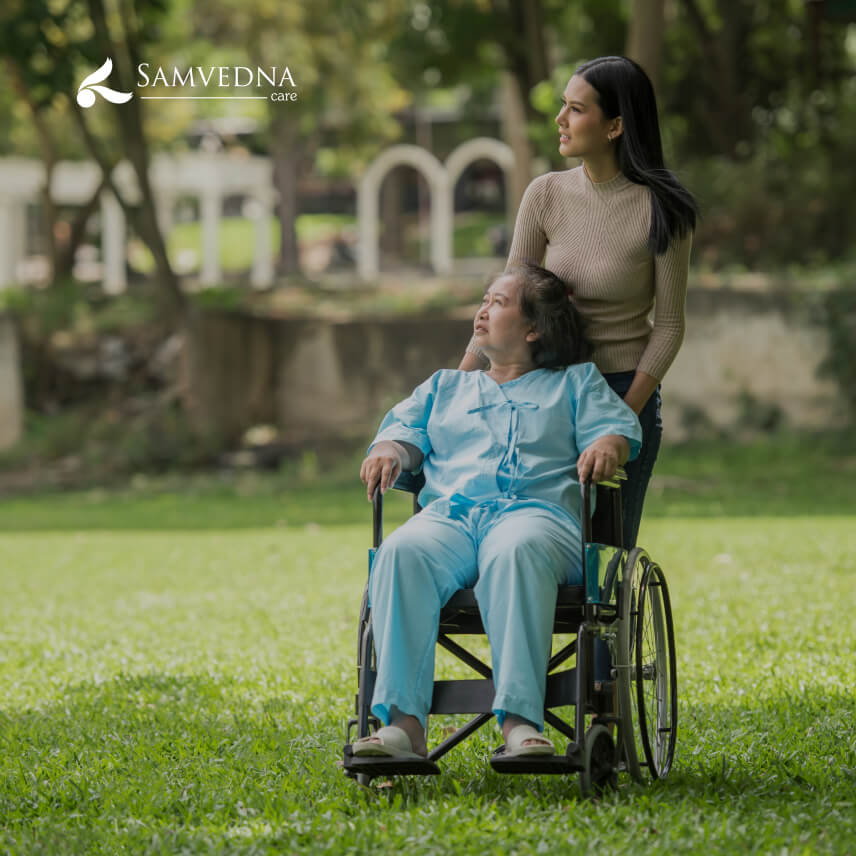
Parkinson’s is often understood through what is visible—tremors, slowed movement, and physical stiffness. Yet beneath these observable symptoms lies a quieter, deeply emotional reality that shapes the day-to-day experiences of both individuals living with Parkinson’s and those caring for them.
At Samvedna Care, this emotional dimension is considered an integral part of the care journey, with a strong focus on psychological support and caregiver counselling alongside medical care.
At its core, Parkinson’s is not only a neurological condition affecting movement; it also alters emotional processing, motivation, and how a person relates to themselves and others. These changes may be subtle at first, but over time, they begin to influence identity, relationships, and overall well-being.
The Emotional Shifts Beneath the Surface
Changes in mood and behavior are common but often misunderstood.
A person with Parkinson’s may experience sadness, anxiety, apathy, or irritability, not just as a reaction to the diagnosis, but as part of the condition itself.
There is often an internal conflict.
A desire to engage and respond, but a reduced ability to initiate or express.
This may lead to:
- Withdrawal, even when connection is desired
- Frustration with one’s own limitations
- Grief over the gradual loss of independence
When these changes are misinterpreted as disinterest, they can create emotional distance in relationships.
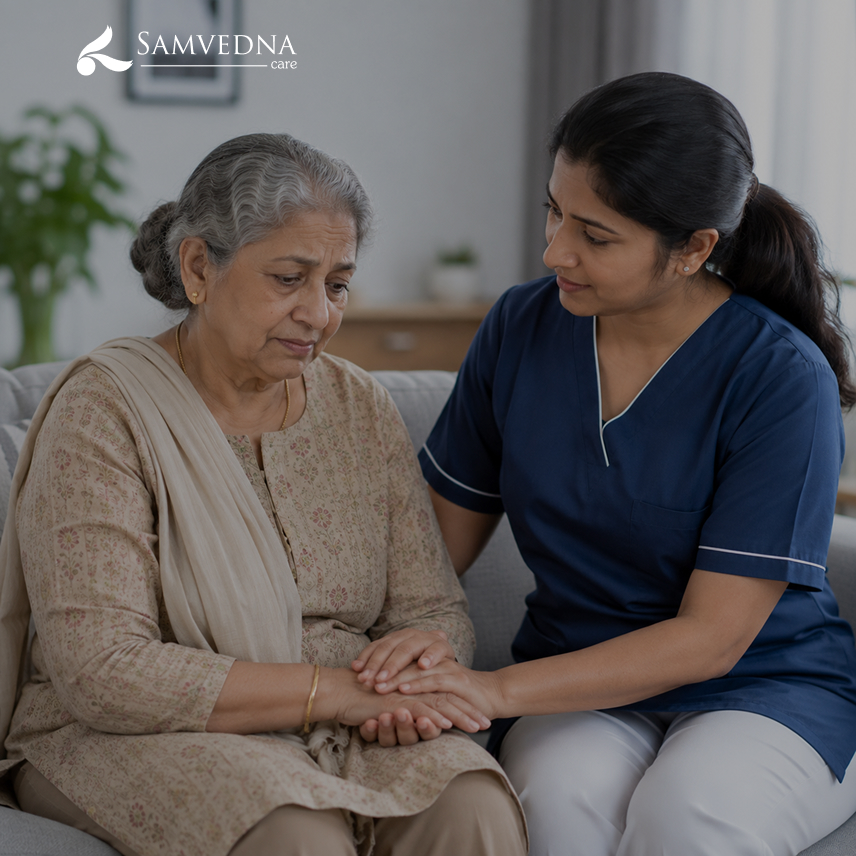
The Unspoken Emotional Load of Caregivers
Caregiving in Parkinson’s evolves over time.
What may begin as occasional support can gradually become ongoing physical, emotional, and mental care. Alongside daily responsibilities, caregivers often experience:
- Ambiguous loss: The person is still there, but parts of their personality or responsiveness may feel different
- Changing roles: A partner becomes a caregiver; a child becomes a decision-maker
- Emotional strain: Ongoing care and uncertainty can lead to fatigue and burnout
There are also quieter, often unspoken emotions, guilt for feeling frustrated, grief for what has changed, and a sense of isolation.
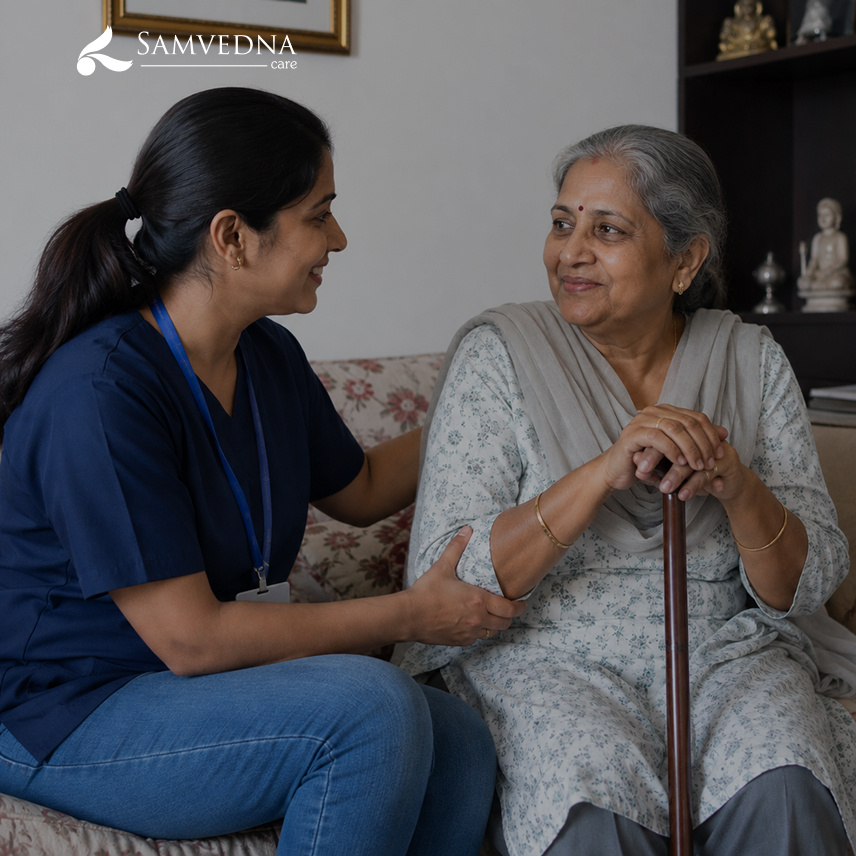
This is where caregiver counselling becomes important. It provides a space to process these emotions, build coping skills, and stay emotionally supported.
When Communication Changes
Parkinson’s can affect not just speech, but emotional expression itself. Reduced facial expressiveness, softer speech, or delayed responses can unintentionally create gaps in communication.
For caregivers, this may feel like emotional distance. For individuals with Parkinson’s, it may feel like being unable to fully convey what they are experiencing. Over time, this mismatch can lead to misinterpretations and relational strain.
Supporting communication, therefore, is not just about speech; it is about attunement, patience, and learning to recognize emotional cues beyond words.
The Impact of Incremental Loss
One of the defining psychological aspects of Parkinson’s is the experience of gradual, cumulative loss. These are not always dramatic changes, but small, repeated disruptions:
- Difficulty with routine tasks
- Increased dependence in daily activities
- Hesitation due to fear of falling or making mistakes
Individually, these moments may seem minor. Collectively, they can significantly impact self-esteem, autonomy, and emotional well-being. Acknowledging these losses, rather than minimizing them, plays a crucial role in psychological adjustment.
Moving Toward Holistic Care
Addressing Parkinson’s solely through a medical lens leaves an important gap. Emotional well-being directly influences quality of life, treatment engagement, and the strength of caregiving relationships.
A more integrated approach includes psychological support as a core component of care. A more holistic approach includes psychological support as a core part of care. Samvedna Care focuses on this by offering caregiver counselling and therapeutic support, helping both individuals and families navigate the emotional journey.
Parkinson’s care is not just about managing symptoms. It is also about adjusting to change, maintaining dignity, and staying connected with each other. It means learning to live with uncertainty, while holding space for both grief and strength.
When we look beyond tremors, the focus begins to shift. It is no longer only about what is lost, but about how individuals and families continue to support each other and find small moments of connection.
At Samvedna Care, this journey is supported through emotional care and caregiver counselling, helping families navigate these changes with understanding and resilience.
Often, it is in these quiet, imperfect, and deeply human moments that care becomes most meaningful.