
 +91 74280 97301


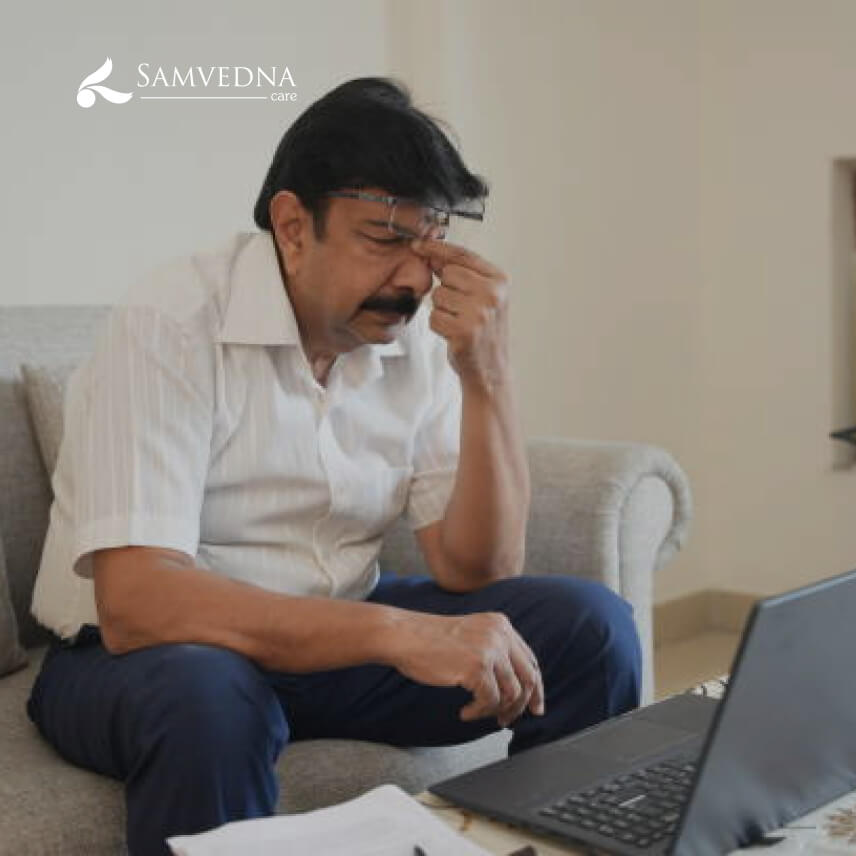
Have you noticed how often your body is at your desk, but your mind is already in the next meeting, the next email, or the next deadline? Mindfulness is often misunderstood as a practice that requires silence, stillness, or a dedicated meditation corner. In reality, most workdays look like nothing. They are filled with back-to-back meetings, constant notifications, and growing demands that leave little room to pause.
In today’s fast-paced work culture, traditional meditation can feel unrealistic or even out of reach. At Samvedna Care, we focus on real-world mindfulness, practical, desk-friendly approaches that support mental wellness in the workplace by helping individuals stay grounded, emotionally steady, and present while navigating everyday professional responsibilities.
Why Mindfulness Matters More Than Ever at Work
Stress at work rarely arrives in dramatic waves. More often, it builds quietly, through long hours, emotional pressure, constant responsiveness, and the feeling of always needing to be “on.” Many employees try to push through this stress, assuming it will fade with time. Unfortunately, stress rarely resolves itself without intention.
Research consistently shows that mindfulness has a meaningful impact on both mental and physical health. Studies demonstrate reductions in stress, anxiety, and depressive symptoms, along with improvements in overall well-being and quality of life. Regular mindfulness practice has also been associated with structural changes in the brain, including increased cortical thickness in areas responsible for emotional regulation, attention, and sensory processing.
These changes are not just theoretical. They often translate into real-life benefits, greater emotional resilience, reduced reactivity, improved focus, and better decision-making. Mindfulness has also been shown to support pain management, with studies indicating reductions in both the intensity and unpleasantness of pain, often outperforming placebo interventions. This is believed to be linked to changes in how the brain processes pain and emotional responses.
Mindfulness Doesn’t Have to Look Like Meditation
One of the biggest myths around mindfulness is that it requires long periods of stillness or silence. Mindfulness can be woven into the workday in small, natural ways. At Samvedna Care, we often remind employees that mindfulness is less about doing more and more about noticing more.
Here are 7 ways to practice real mindfulness in your workplace
1. Transitions
A simple place to start is with transitions. Before beginning a new task, pause for just one minute. Place your feet on the ground, relax your shoulders, and take one slow, intentional breath. This brief reset helps your mind shift between activities, reducing cognitive overload, and preventing the emotional spillover that often leads to irritability or burnout.
2. Mindful Emailing
Another powerful practice is mindful emailing. Much of workplace anxiety begins in the inbox. Instead of reacting immediately, read the message fully. Notice your emotional response tightness, urgency, frustration, and then respond thoughtfully. That small pause can significantly improve emotional regulation and communication quality.
3. Short sensory check-ins
Short sensory check-ins can be surprisingly effective. Take twenty seconds to notice three things you can see, two things you can hear, and one physical sensation you can feel. This gently pulls your attention out of spiraling thoughts and brings you back into the present moment.
4. Micro-movement
Micro-movement is another underrated form of mindfulness. Every hour, stretch your shoulders, neck, or hands for thirty seconds while paying attention to how your body feels. At Samvedna Care, we often recommend this because physical tension and emotional tension are deeply connected. Releasing one often helps ease the other.
5. Keep yourself hydrated
Even something as routine as drinking water can become a mindful moment. As you take a sip, notice the temperature, texture, and sensation of swallowing. These brief pauses teach the brain to step out of autopilot and into awareness.
6. Label your thoughts
Another helpful technique is labeling thoughts. When stress begins to rise, silently name what’s happening: “This is worry,” or “This is overwhelm.” Labeling creates psychological distance, helping you respond with clarity rather than getting pulled into an emotional spiral.
7. Protecting Mental Energy Between Meetings
Workdays often demand rapid transitions from one interaction to the next. Over time, this can create emotional congestion and fatigue. Before moving into your next meeting, take five seconds to close your laptop, relax your jaw, and take a slow breath. Set one gentle intention for the next interaction.
These micro-breaks may seem small, but they play a powerful role in preserving mental energy and emotional balance.
Why These Techniques Work
These desk-friendly mindfulness practices are effective because they interrupt stress patterns in real time. Instead of suppressing emotions, they help regulate them. They strengthen focus, support better decision-making, and foster a sense of inner steadiness. Most importantly, they blend seamlessly into daily work routines. You don’t need a special environment, just moments of awareness within the environment you already have.
Mindfulness as a Daily Tool for Mental Wellness
Mindfulness is not a luxury reserved for vacations or quiet weekends. It is a practical, everyday tool for emotional resilience and sustained well-being. Practicing small, intentional habits throughout the workday helps individuals stay connected to themselves, even when workloads are heavy or the mind feels scattered.
At Samvedna Care, we believe that strengthening mental wellness in the workplace begins with cultivating presence in everyday moments. When employees feel more grounded and emotionally regulated, they are better able to show up with clarity, compassion, and balance both at work and beyond.