 +91 74280 97301


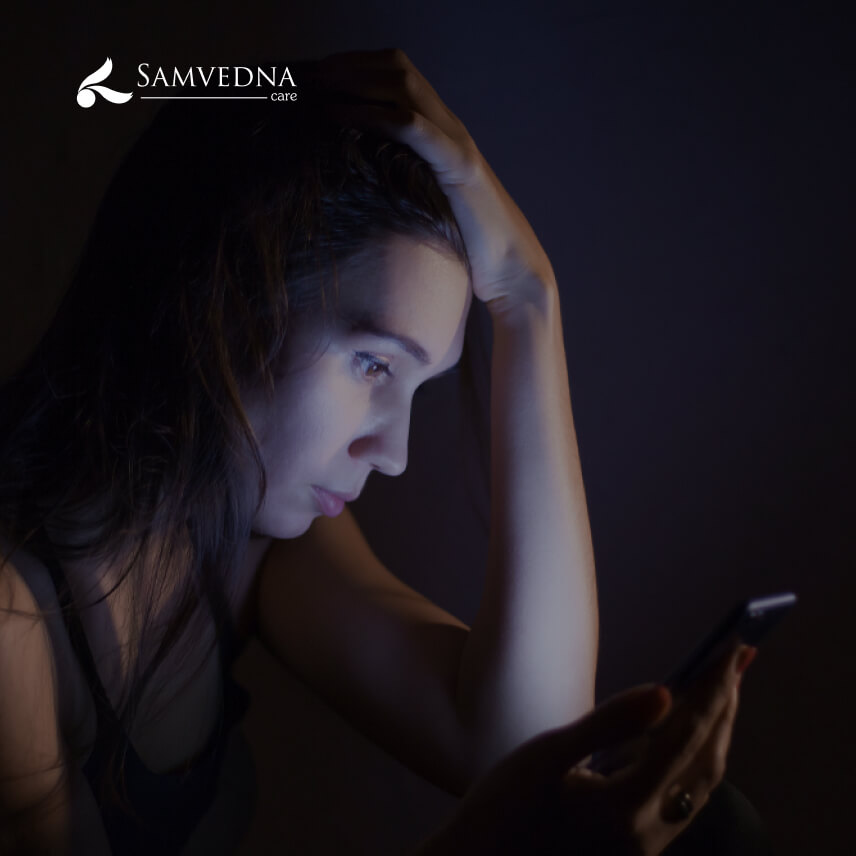
Have you ever found yourself scrolling endlessly late at night, moving from one grim headline to the next? You promise yourself, “Just one more update,” but minutes turn into hours, and instead of feeling informed, you’re left anxious, heavy, and restless.
Many people at Samvedna Care who seek Counselling Sessions for Depression often describe how constant exposure to distressing news gradually chips away at their emotional balance. Why is it that, even when we know it harms us, we keep consuming bad news?
This compulsive urge to keep consuming negative content—now widely known as doomscrolling—is not just a modern habit. It’s rooted in our psychological wiring, amplified by digital design, and strengthened by the illusion that staying constantly updated helps us feel in control.
Understanding why we get stuck in this cycle is the first step toward reclaiming our attention and protecting our mental wellbeing—a core part of Samvedna Care’s mission.
Why Does Bad News Hook Us?
Ask yourself: why does your attention always linger on alarming news, but rarely on positive stories? Psychologists call this negativity bias. Humans have evolved to notice threats first; it’s a survival mechanism. Early humans who were alert to danger were more likely to survive. Today, that same wiring makes shocking or threatening headlines far more attention-grabbing than uplifting news.
But the issue isn’t just biology. Modern platforms are engineered to keep you scrolling. Every new notification or “breaking update” triggers a small dopamine release—the brain’s reward chemical—creating a loop of curiosity, fear, and anticipation.
You may think you’re scrolling to stay informed, but often the brain is simply seeking the next hit of stimulation. And the illusion of control reinforces it: consuming news makes us feel like we’re preparing for uncertainty, even when it leaves us more stressed and overwhelmed.
The Psychological Cost of Doomscrolling
Doomscrolling may seem harmless in the moment, but its effects accumulate quickly. Consider these patterns:
- Anxiety and chronic stress: Our bodies stay in a heightened state of alertness, releasing stress hormones like cortisol. Over time, this can affect immune function, digestion, and mood.
- Depression and hopelessness: The constant barrage of crises can make the world feel overwhelmingly negative, leaving us emotionally fatigued.
- Sleep disruption: Late-night scrolling interferes with circadian rhythms, making it harder to fall asleep and recover mentally.
- Cognitive overload: Consuming continuous negative information affects attention, decision-making, and problem-solving abilities.
- Distorted perception of reality: After hours of doomscrolling, it’s easy to believe the world is far worse than it is, which can shape behavior and outlook in subtle but significant ways.
Ask yourself: When you finish scrolling, do you truly feel informed—or simply more anxious?
Why We Keep Doing It
If doomscrolling makes us anxious, why don’t we stop?
Because it taps into powerful psychological triggers:
- Dopamine loops: The brain craves novelty. Each new headline—especially a shocking one—feels like a reward.
- Fear of missing out: In a 24/7 news cycle, skipping updates can feel risky or irresponsible.
- Illusion of control: Staying updated creates the feeling that we’re managing uncertainty, even when the information increases stress.
- Habit and autopilot: Over time, scrolling becomes a default behaviour the moment we feel bored, tired, or uneasy.
Recognising these patterns helps break the cycle.
Pause and reflect: Are you seeking information, or are you unconsciously chasing the rush of fear and urgency?
Breaking the Cycle: Practical Steps
The good news is that doomscrolling can be managed without isolating yourself from the world. Here’s a set of strategies that can help you regain control:
1. Practice Mindful Scrolling
Before you click a story, pause and reflect: Do I really need this right now? Will this help or harm me? Mindfulness interrupts the autopilot loop of scrolling and encourages intentional engagement.
2. Curate Your Feed
Follow reputable news sources and unfollow accounts that thrive on sensationalism, fear, or outrage. Focus on stories that are informative and actionable, rather than merely alarming.
3. Set Boundaries
Designate specific times to check news and avoid late-night scrolling. Even brief phone-free periods mornings, meals, or evenings can help reset your emotional baseline.
4. Engage in Counterbalancing Activities
Exercise, meditation, hobbies, or social connections provide a positive contrast to negative news. These actions help restore perspective and emotional resilience.
5. Build Digital Detox Rituals
Small, consistent routines, like keeping your phone out of the bedroom, doing tech-free walks, or scheduling weekly social media breaks, create long-term relief.
At Samvedna Care, we advocate integrating these practical routines into daily life, balancing awareness with mental wellness, and reinforcing the habit of mindful media consumption.
Questions to Reflect On
- How often do you scroll news feeds without noticing the time passing?
- Do you feel anxious, helpless, or upset after consuming news, but continue anyway?
- Are you scrolling to stay informed or to feed a cycle of worry and urgency?
- What small changes could give you back control over your mental space?
Doomscrolling reflects the clash between our evolutionary instincts and the demands of the digital world. But with awareness and intentional habits, you can stay informed without being consumed by anxiety or fear.
By practising mindful media consumption, setting boundaries, and balancing negative news with positive activity, you reclaim your mental space and wellbeing.
If you find the cycle overwhelming, remember that support is available. Samvedna Care emphasizes this balanced approach, one that is informed, reflective, emotionally resilient, and supported through services such as Counselling Sessions for Depression when needed. Because staying aware doesn’t have to come at the cost of your mental well-being.